
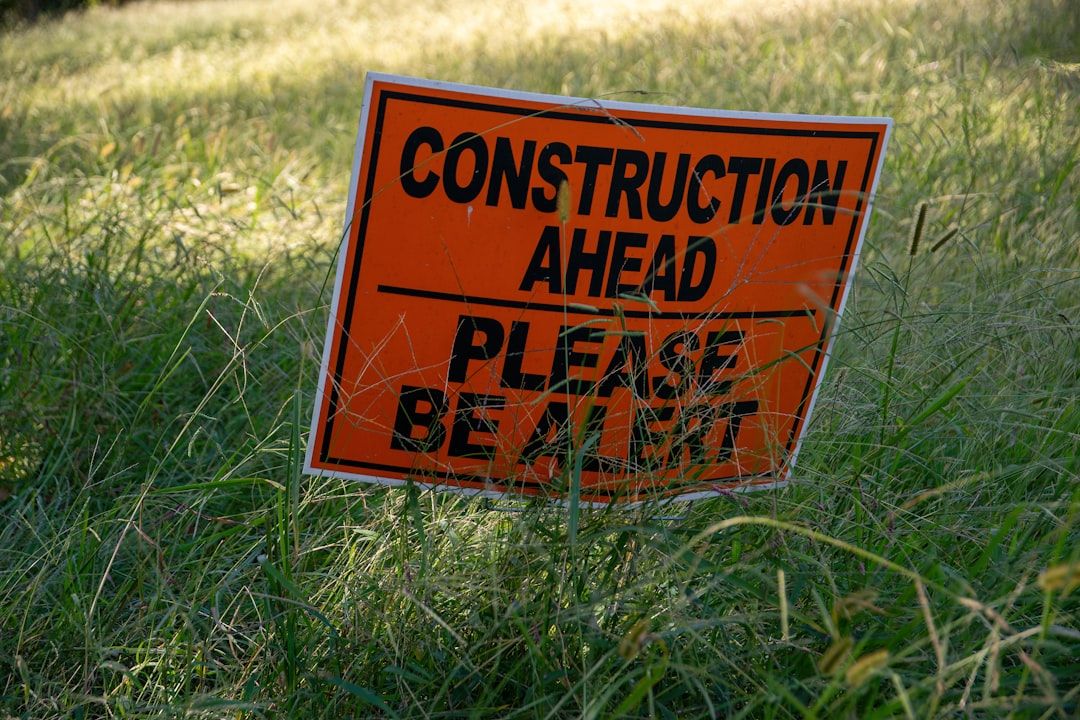
5 Warning Signs of Poor Construction Work: Spotting Structural Flaws and Compliance Issues
Structural Issues
When embarking on any form of construction or renovation project, structural integrity forms the backbone of a safe and reliable edifice. From small business owners setting up a new storefront to startups aiming to create stimulating work environments, understanding potential structural pitfalls is crucial. Let's delve into some common structural issues and how they can impact your business venture.
Cracks in Walls and Foundations
Cracks in walls and foundations can be indicative of serious underlying issues. While some hairline cracks may be superficial, larger ones might suggest significant structural movement or settling. For instance, if you're a retailer planning to open a store in a historic building, these symptoms must not be ignored. Cracks can compromise the stability of your property, leading to potential safety hazards. Regular inspections and addressing cracks promptly can save businesses from costly repairs down the road and ensure the safety of both staff and customers.
Uneven Floors and Sloping Surfaces
Uneven floors and sloping surfaces not only present a trip hazard but also suggest possible foundational issues. Small businesses designing inclusive and accessible spaces must pay extra attention to this problem. In establishments like cafes or offices, these irregularities can also affect furniture placement and overall aesthetics. To rectify these defects, one could consult experienced structural engineers who can provide tailored solutions that align with safety standards and design vision.
Misaligned Doors and Windows
Misaligned doors and windows are more than just a minor inconvenience; they can signal foundation shifts or poor construction. For organizations focused on energy efficiency, misaligned openings can hamper efforts to maintain a controlled indoor climate, leading to increased energy costs. Businesses considering renovations should use this opportunity to assess and realign all doors and windows to enhance functionality and aesthetic appeal. This step is especially crucial for enterprises prioritizing sustainability and resource management.
Poor Craftsmanship
Poor craftsmanship is an unfortunate pitfall that can significantly impact a project’s outcome and durability. As enterprises focus on establishing functional environments, ensuring high-quality workmanship remains essential for longevity and aesthetics.
Inconsistent Finishes and Joints
Inconsistent finishes and joints highlight subpar attention to detail in construction. For creative agencies or tech startups wishing to impress clients, this can come off as unprofessional. Uneven surfaces can also pose challenges for maintenance and cleaning staff. Using skilled craftsmen experienced in meticulous execution can bring an exceptional finish to your project, ensuring all corners and surfaces exude a polished look.
Exposed or Improperly Installed Fixtures
Exposed or improperly placed fixtures not only pose safety risks but can undermine the visual appeal of a space. Businesses, particularly those in the hospitality sector, should endeavor to conceal wirings and plumbing, ensuring a smooth, uncluttered appearance that delights guests and patrons. Engaging professional installation teams can help achieve a seamless integration of all fixtures, staying true to the design concept while adhering to safety standards.
Gaps in Trim and Molding
Gaps in trim and molding are clear indicators of oversight during construction. They detract from the elegance and consistency of a space, which can disappoint customers and clients. For retailers seeking to create a welcoming ambiance, seamlessly aligned trims and moldings contribute to an inviting and comfortable environment. Attention to detail, particularly in visible and high-traffic areas, is vital for cultivating a professional and appealing atmosphere.
Substandard Materials
The choice of materials can make or break a construction project. Substandard materials, while initially cost-effective, can lead to long-term structural issues and maintenance headaches. Businesses looking to cut costs should weigh the benefits of investing in quality materials against potential future expenses.
Use of Low-Grade or Incorrect Materials
Employing low-grade or inappropriate materials can compromise a building's structural integrity and aesthetic appeal. For instance, businesses aiming for a modern industrial finish must ensure that the materials chosen are fit for purpose and able to withstand specific environmental conditions. Consulting with material experts can provide insights into the best materials suited for a particular project, ensuring durability without compromising on visual appeal.
Signs of Water Damage on Lumber
Water damage on lumber is a telltale sign of potential rot and decay, which can severely weaken structural components. For any business, particularly those dealing with large foot traffic or heavy equipment, employing structurally sound lumber is imperative. Regularly inspecting and replacing damaged wood components mitigates the risk of structural failure and maintains a safe environment for employees and customers alike.
Corroded or Rusted Metal Components
Corroded or rusted metal components pose significant structural risks and aesthetic concerns. Businesses invested in creating sleek, modern spaces should prioritize corrosion-resistant metals, particularly in high humidity areas. This approach not only prevents weakening of structural elements but also preserves the visual integrity of metal features throughout the premises.
Plumbing and Electrical Deficiencies
Modern businesses cannot function efficiently with flawed plumbing and electrical systems. From cafes to tech hubs, reliable utilities are crucial to seamless operations.
Leaks, Drips, and Water Stains
Leaks, drips, and water stains are not just nuisances—they're warning signs of potential water damage. Retail spaces must be vigilant against these issues, as water damage can affect stock, electronics, and overall ambiance. Regular maintenance and swift repairs are key to preventing escalations and costly remediation.
Improperly Installed Wiring
Improper wiring is a significant safety hazard that can lead to fires or frequent outages. For tech firms that rely heavily on digital infrastructure, secure and efficient electrical systems are non-negotiable. Engaging certified electricians during the installation phase can avert these risks, establishing a safe and reliable electrical network for uninterrupted productivity.
Faulty Fixtures and Fittings
Faulty fixtures and fittings in plumbing and electrical systems can spell trouble, leading to inefficiencies and increased utility expenses. Enterprises maintaining customer-facing spaces must ensure all technical installations are performed to the highest standards to prevent disruptions in service and maintain customer satisfaction.
Safety Code Violations
Adhering to safety standards is non-negotiable for any enterprise. Ensuring compliance not only fortifies safety but also enhances brand reputation and customer confidence.
Lack of Proper Handrails and Guardrails
The absence of adequate handrails and guardrails can render buildings non-compliant with safety regulations, particularly in stairways and ledges. This oversight poses a risk to both employees and patrons. Regular audits and enhancements must be carried out to align with safety standards, providing peace of mind for all building occupants.
Non-Compliant Stairway and Exit Designs
Stairways and exits must be designed to facilitate smooth evacuations during emergencies. For any public-facing establishment, ensuring that path designs meet regulatory requirements mitigates risk and ensures a competent response in emergency situations. Utilizing architects familiar with local compliance standards can significantly prevent complications and liabilities.
Inadequate Insulation and Fireproofing
Inadequate insulation and fireproofing not only impinge on energy efficiency but can escalate risks in emergency scenarios. It's essential to consult with experts when selecting materials and designs that prioritize safety and operational efficiency, especially for businesses located in densely populated or risky areas.
Project Management Shortcomings
Efficient project management is crucial for the timely and budget-conscious completion of construction projects. Businesses can struggle with overruns and inefficiencies without meticulous planning and skilled oversight.
Missed Deadlines and Delays
Missed deadlines can derail business timelines, delaying launches and affecting revenue projections. Excellent project management minimizes such risks by implementing robust frameworks that anticipate delays and secure workflow continuity. Leveraging experienced managers can transform potential roadblocks into manageable tasks, maintaining project momentum and integrity.
Poor Communication and Documentation
Effective communication and comprehensive documentation streamline project execution and facilitate smooth collaboration. Projects falter when stakeholders are left in the dark or when details are lost in translation. Structured communication strategies, backed by technology and clear processes, ensure everyone remains aligned on goals and updates, boosting efficiency and accountability.
Budget Overruns and Hidden Costs
Budget overruns can cripple projects and strain financial resources. Thorough budgeting and transparent cost tracking unlock much-needed financial insight, offering businesses a realistic representation of the financial landscape. Employing seasoned professionals in cost estimation and monitoring safeguards against hidden costs crippling the envisioned success of a project.
To make informed decisions and bolster project outcomes, reach out and explore how our experienced team can support your enterprise in conquering these challenges. Learn more about our services here. Let us partner with you to transform these hurdles into triumphs.

10 Mistakes to Avoid During a Major Home Renovation: A Guide to Successful Project Management
Insufficient Planning and Budgeting
Launching a successful website or online store requires meticulous planning and budgeting.Home Renovation Underestimating the total costs, omitting a contingency fund, and failing to create a detailed project timeline can lead to delays and added expenses, impacting a business’s overall success.
Underestimating Total Renovation Costs
Businesses often fall into the trap of underestimating the costs associated with developing a functional and appealing online presence. From design and development to ongoing maintenance and optimization, each element contributes to the final expenditure. For small to medium-sized businesses in Jerusalem that seek accessible, secure, and standard-compliant websites, understanding the full cost scope can prevent unexpected financial strain. For instance, beyond aesthetic design, functionality such as user experience (UX) requires professional inputs, potentially increasing the costs.
Omitting a Contingency Fund
Another critical oversight is failing to allocate a contingency fund. This fund can act as a financial cushion to handle unexpected challenges or opportunities during the project’s lifecycle. Whether it’s a sudden need for additional features or updates due to changing regulations, having reserved funds ensures that businesses can respond agilely without compromising on core project aspects. It’s recommended to set aside a percentage of the initial budget—typically between 10% to 20%—to accommodate these unforeseen needs.
Failing to Create a Detailed Project Timeline
Time is of the essence in web development. A well-defined project timeline ensures that every phase, from conception through to launch, is executed efficiently. Without a clear timeline, projects can drag on, delaying business goals like increased traffic and sales. For startups in their feasibility assessments, detailed timelines can act as roadmaps, aligning every team member with their responsibilities and deadlines. This approach facilitates smooth workflow and timely project completion.
Ignoring Permits and Building Regulations
In the digital realm, like in physical construction, there are equivalent permits and regulations to consider. Overlooking local code requirements, skipping necessary permit applications, and neglecting scheduled inspections can result in legal issues and project halts.
Overlooking Local Code Requirements
Especially pertinent for Jerusalem-based businesses aspiring for online visibility, adhering to local code is crucial. Websites must meet specific accessibility standards to ensure inclusivity for all users. Neglecting these regulations may not only alienate a segment of potential customers but can also lead to legal repercussions. Moreover, businesses aiming to transition from traditional retail to e-commerce must consider digital adaptability regulations.
Skipping Necessary Permit Applications
An overlooked yet vital step is applying for the necessary digital permits or meeting accreditation standards. For example, if your online store plans to handle sensitive data, complying with privacy laws and securing certifications for data protection becomes mandatory. These steps are integral to safeguarding customer trust and avoiding violations that can tarnish a brand’s reputation.
Neglecting Scheduled Inspections
Regular inspections during development help ensure that the website meets functional, security, and performance standards. For a business introducing a virtual store, these checks are akin to quality assurance phases in product launches. By addressing potential flaws early, businesses can launch secure and efficient platforms, enhancing user experience and maintaining trust.
Hiring Unqualified Contractors and Subcontractors
Choosing the right professionals for web development decisions is pivotal. Not verifying licenses and insurance, ignoring past project references, and failing to secure a clear contract can result in subpar deliverables, dragging the project timeline and inflating costs.
Not Verifying Licenses and Insurance
Hiring verified and insured contractors assures that businesses receive professional and legal services. Proper licensing is a testament to a contractor’s proficiency and adherence to industry standards, contributing to secure and quality project outputs. Moreover, having insurance protects the hiring company from liability for on-the-job accidents or errors, ensuring smooth project progression without unexpected financial liabilities.
Ignoring Past Project References
Past project references act as a portfolio showcasing a contractor’s capability and creative approach. For example, businesses seeking to establish an interactive online presence should examine contractors’ previous projects related to UX design. This verification helps determine their ability to visualize and execute what the business envisions, fostering outcomes that align with business goals.
Failing to Secure a Clear Contract
Contracts are legally binding documents outlining deliverables, timelines, and payment terms. Without a detailed contract, the scope may become vague, leading to misunderstandings and disputes. Small businesses seeking new online platforms can benefit from contracts that specifically outline terms, accountability, and expectations. This practice ensures professional commitment and accountability from all parties involved.
Cutting Corners on Materials and Quality
Opting for cheap materials or overlooking quality in website development can hinder a business’s growth and online reputation. Selecting durability, energy-efficient alternatives, and recognizing warranty guidelines can sustain an attractive, functional, and responsible web presence.
Choosing Cheap Materials Over Durability
While initial costs may tempt businesses towards cheaper options, these materials often lack durability, leading to higher maintenance and replacement expenses. High-quality hosting services, robust framework choices, and well-coded backend systems form the foundation of a reliable online store. Investing in these materials upfront guarantees long-term benefits and fewer technical issues down the line.
Overlooking Energy-Efficient Alternatives
Modern businesses, especially those conscious of environmental impacts, should prioritize energy-efficient solutions in their digital strategy. By adopting efficient server solutions and optimized coding practices, businesses can minimize their carbon footprint. This practice not only aligns with sustainable business models but also potentially reduces operational costs, appealing to eco-conscious consumers.
Neglecting Warranty and Manufacturer Guidelines
Adhering to warranty and manufacturer guidelines ensures that businesses leverage full product benefits and receive support when issues arise. Whether it’s software licenses or technical tools for site development, warranties provide a safety net guaranteeing functionality. Following these guidelines ensures continual performance, supporting a seamless customer experience.
Poor Design Choices and Layout Mistakes
The design and layout form the visual language of a website, significantly influencing user interaction and satisfaction. Poor choices, such as disregarding flow and functionality, neglecting lighting and ventilation needs, or following short-lived design trends, can alienate users rather than attract them.
Disregarding Flow and Functionality
Websites with intuitive navigation and logical flow enhance user engagement, leading to higher conversion rates. Businesses creating an online store or portfolio need to ensure that customers can easily find and interact with product pages, checkout processes, and service descriptions. Ignoring these aspects can result in frustrated users and lost sales opportunities.
Neglecting Lighting and Ventilation Needs
In an online context, “lighting” refers to elements such as contrast, color balance, and overall visual accessibility. A website’s “ventilation” involves using white space to avoid clutter, allowing users to focus on essential elements. Implementing proper lighting and ventilation principles ensures websites are appealing and easy to navigate, catering to diverse user preferences and enhancing overall user experience.
Following Short-Lived Design Trends
Design trends can be tempting with their fresh appeal; however, relying heavily on passing trends can date a website quickly. Businesses focused on longevity should balance modern aesthetics with timeless design principles. This balance ensures enduring appeal and reduces the need for costly redesigns to match shifting trends frequently.
Inadequate Communication and Project Management
Efficient communication and project management can determine a web project’s success. Failing to hold regular progress meetings, having miscommunications between stakeholders, and lacking a centralized information hub can create misunderstandings and stall progress.
Failing to Hold Regular Progress Meetings
Regular progress meetings keep projects on track, addressing potential challenges proactively. They facilitate open communication, creating spaces where cross-disciplinary teams can align their strategies to deliver cohesive outputs. Businesses enjoying consistent updates and aligning on goals are better positioned to meet deadlines and performance objectives.
Miscommunication Between Stakeholders
Clarity in communication with key stakeholders, such as designers, developers, and business decision-makers, prevents costly mistakes. Miscommunication can lead to misunderstandings regarding deliverables, timelines, or project objectives. Implementing clear communication channels and leveraging collaborative tools can ensure information flows seamlessly across all team members.
Lacking a Centralized Information Hub
A centralized information hub, such as a project management platform, consolidates all project-related data, updates, and communications. For businesses embarking on complex projects, such tools provide a single source of truth, ensuring everyone stays informed and synchronized. This alignment fosters cohesive project execution and empowers teams to deliver high-quality outputs.
In conclusion, the journey from conception to the successful launch of a business’s online presence demands meticulous planning, expert execution, and strategic management. By addressing potential pitfalls, businesses can establish a robust and appealing digital footprint that resonates with their target audience. For professional guidance tailored to your needs, learn more about how our expertise can elevate your online strategy.
Enhance your success today by collaborating with industry experts. Reach out to explore customized solutions that drive growth and visibility in the competitive digital marketplace.

Maximize Savings: Energy-Efficient Home Upgrades That Lower Utility Bills and Environmental Impact
Understanding the Benefits of Energy-Efficient Home Upgrades
As the push for sustainability grows, energy-efficient home upgrades have become a priority for many. These upgrades not only conserve resources but also offer numerous benefits, including cost savings and reduced environmental impact.
How Energy Efficiency Directly Lowers Utility Bills
One of the most immediate advantages of energy-efficient home improvements is the reduction in utility bills. By optimizing how energy is consumed, homeowners can significantly cut their electricity and heating expenses. For example, upgrading to energy-efficient windows can prevent heat loss during the winter and keep cool air inside during the summer, reducing the need for heating and air conditioning. Similarly, replacing old appliances with energy-efficient models can lower electricity consumption. These savings accumulate over time, leading to substantial financial benefits.
Calculating Return on Investment and Payback Period
When considering energy-efficient upgrades, it’s essential to understand the financial implications. The return on investment (ROI) and payback period are crucial metrics. ROI measures the profitability of an investment relative to its cost, while the payback period indicates how long it takes to recover the initial investment from savings. For instance, while a high-efficiency boiler may require a higher upfront cost, the savings on heating bills can result in a payback period of just a few years. By calculating these metrics, homeowners can make informed decisions about which upgrades offer the best value.
Environmental Impact and Carbon Footprint Reduction
Besides financial benefits, energy-efficient upgrades help reduce a home’s carbon footprint. By consuming less energy, these upgrades decrease greenhouse gas emissions, contributing to a healthier planet. For example, solar panel installations not only reduce reliance on fossil fuels but also generate clean energy. This shift towards sustainable practices is crucial in combating climate change and preserving natural resources for future generations.
Insulation and Air Sealing Upgrades to Lower Utility Bills
Proper insulation and air sealing are fundamental to maintaining a comfortable indoor climate and reducing energy consumption.
Attic and Roof Insulation Options
A poorly insulated attic can lead to significant heat loss. Options such as fiberglass batts, blown-in cellulose, and spray foam insulation provide varying levels of R-value, which measures thermal resistance. For homes in colder climates, higher R-values are recommended to retain heat. Furthermore, roof insulation can prevent unwanted heat gain during summer, ensuring energy efficiency all year round.
Wall and Floor Insulation Techniques
Walls and floors account for a large portion of heat loss in homes. Techniques such as cavity wall insulation involve filling the space between walls with insulating material, effectively reducing heat transfer. For floors, options like rigid foam boards or underfloor insulation can minimize heat escape. Implementing these techniques ensures that heating and cooling systems work efficiently, ultimately reducing energy bills.
Identifying and Sealing Common Air Leaks
Air leaks are often hidden but can lead to significant energy loss. Common areas where leaks occur include windows, doors, and ductwork. Identifying these leaks can be done with the aid of a home energy audit or using infrared cameras. Once detected, caulking and weather-stripping can seal these leaks, preventing unwanted air exchange and enhancing the home’s energy efficiency.
High-Efficiency HVAC System Upgrades for Lower Utility Bills
Heating, ventilation, and air conditioning (HVAC) systems are significant energy consumers in any home.
Choosing ENERGY STAR Certified Furnaces and Boilers
ENERGY STAR certified furnaces and boilers ensure superior energy efficiency compared to standard models. They are designed to consume less fuel while providing the same level of comfort. By opting for these certified systems, homeowners can significantly reduce their heating bills and minimize environmental impact.
Installing High-Efficiency Heat Pumps
High-efficiency heat pumps offer versatile solutions for both heating and cooling. Unlike traditional systems, heat pumps transfer heat instead of generating it, using less energy. With advancements in technology, modern heat pumps operate efficiently even in colder climates, providing an excellent alternative to conventional HVAC systems.
Routine Maintenance to Maximize System Efficiency
Regular maintenance of HVAC systems is crucial for maintaining their efficiency. Tasks such as replacing air filters, cleaning ducts, and checking for refrigerant leaks ensure the system operates at its best performance. Scheduling annual maintenance checks can prevent costly repairs and extend the lifespan of the system, ensuring continuous energy savings.
Installing Energy-Saving Lighting and Appliances
Modern lighting and appliances are designed to be more efficient, offering significant savings potential.
Transitioning to LED and CFL Lighting Solutions
LED (Light Emitting Diode) and CFL (Compact Fluorescent Lamp) bulbs use a fraction of the energy consumed by traditional incandescent bulbs. They last longer and provide adequate illumination, making them a cost-effective lighting solution. Transitioning to these energy-saving options reduces electricity costs and contributes to a lower carbon footprint.
Purchasing ENERGY STAR Rated Refrigerators and Dishwashers
Appliances labeled with the ENERGY STAR seal meet stringent energy efficiency guidelines set by environmental protection agencies. Refrigerators and dishwashers are among the biggest energy consumers in a home, so upgrading to ENERGY STAR rated models can result in substantial energy savings without compromising on performance.
Using Smart Power Strips and Standby Power Killers
Many electronics consume power even when not in use, known as phantom or vampire loads. Smart power strips and standby power killers can cut off power to devices that are not in use, eliminating wasteful energy consumption. By integrating these into home settings, households can further reduce their utility bills.
Incorporating Renewable Energy Solutions to Cut Utility Costs
The adoption of renewable energy sources offers a sustainable approach to powering homes.
Solar Panel Installation and Financial Incentives
Solar panels allow homeowners to generate clean electricity from sunlight. The initial investment can be offset by financial incentives, such as tax credits and rebates offered by government programs. Additionally, the energy savings from reduced electricity bills can lead to a favorable return on investment over time.
Home Wind Turbines and Small-Scale Renewables
In areas with consistent wind conditions, home wind turbines can be an effective energy solution. These small-scale wind generators can work in conjunction with solar panels, creating a hybrid system that maximizes renewable energy production. As a result, households can achieve greater energy independence and lower utility costs.
Battery Storage and Net Metering Strategies
Battery storage systems allow homeowners to store excess energy generated by renewable sources, which can be used during periods of low production. Net metering policies enable homeowners to sell surplus energy back to the grid, receiving credits on their utility bills. Combining these strategies enhances energy efficiency and financial returns.
Leveraging Smart Home Technology for Energy Efficiency
Smart home technology offers innovative ways to optimize energy usage.
Smart Thermostats and Zoned Heating/Cooling Controls
Smart thermostats enable precise control over home temperatures, learning user preferences, and adjusting settings automatically for optimal efficiency. Zoned heating and cooling controls allow different areas of a home to be heated or cooled independently, reducing energy waste and maximizing comfort.
Real-Time Energy Monitoring Systems and Apps
Energy monitoring systems and smartphone apps provide real-time data on energy consumption. By identifying high-consumption patterns, homeowners can adjust their habits to save energy. These tools empower users with actionable insights, promoting a more efficient use of resources.
Automated Scheduling for Lights and Appliances
Automating the operation of lights and appliances can lead to significant energy savings. Smart systems can turn off lights when rooms are unoccupied or schedule appliances to run during off-peak times. Automation reduces unnecessary energy usage and contributes to a more sustainable lifestyle.
Embracing energy-efficient home upgrades not only leads to financial savings but also aligns with global sustainability goals. By understanding the options available and their impacts, homeowners can make informed decisions to optimize their energy usage. For more information on improving your home’s efficiency, visit our website. Connect with us today to learn how we can assist you in maximizing energy savings and reducing environmental impact.
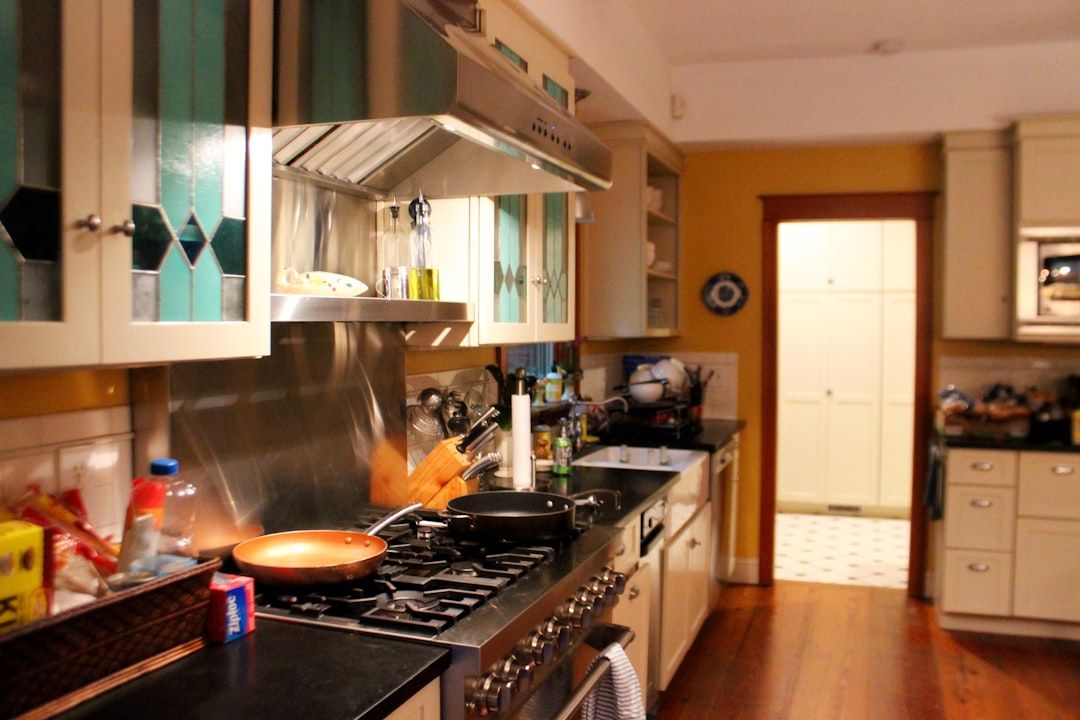
Small Kitchen Remodeling Tips: Budget-Friendly Solutions for Space, Style, and Functionality
Assessing Your Small Kitchen Remodeling Needs
Identifying Functional Pain Points
When it comes to small kitchen remodeling, understanding the key challenges you face is essential. Functional pain points in your kitchen are often the first areas you should address. Perhaps you're struggling with insufficient counter space, unintuitive cabinet layouts, or a lack of natural flow between cooking, cleaning, and dining areas. These issues not only make daily tasks cumbersome but can also impact your overall satisfaction with your kitchen space. Take note of what frustrates you the most and prioritize these areas in your remodeling plan.
Measuring and Mapping Available Space
A successful kitchen remodel begins with a comprehensive understanding of your space. Measuring every nook and cranny allows you to design efficiently. Start by sketching your kitchen's layout, noting the dimensions of walls, counters, and existing fixtures. This isn't just about fitting appliances; it's about visualizing potential changes. Use graph paper or digital tools to map out your space, allowing for creative solutions that maximize functionality without sacrificing aesthetics. Remember, precision is crucial here; even the smallest oversight in measurement can derail your entire project.
Defining Clear Remodel Objectives
Clearly defining your remodel objectives is vital in guiding your project towards success. Are you looking to create a more seamless cooking experience, or perhaps you want to increase your kitchen's seating capacity for family gatherings? Identifying your goals ensures all decisions align with your vision. Moreover, setting tangible objectives helps in evaluating the remodel's success post-completion. Whether it’s aesthetic improvements, energy efficiency, or enhanced storage, knowing your end goals will help streamline the decision-making process.
Budget Planning and Cost-Saving Strategies
Calculating Total Remodel Costs
A thorough budget plan ensures that your kitchen remodel doesn't become a financial burden. Begin by itemizing all potential costs, including materials, labor, and any necessary permits. You might include the cost of new appliances, fixtures, and custom cabinetry. Moreover, it's wise to allocate an additional 10-20% for unexpected expenses. An accurate budget not only prevents financial strain but also allows you to explore cost-efficient alternatives without compromising on quality or style.
Prioritizing High-Impact Upgrades
When on a budget, it's important to focus on alterations that offer the most significant impact. High-impact upgrades can transform your kitchen's functionality and appearance. For instance, replacing old countertops or upgrading to energy-efficient appliances can significantly enhance both aesthetics and efficiency. Alternatively, consider focusing on areas that will offer the most extended return on investment, such as durable flooring or high-quality cabinetry which can endure daily wear and tear for years.
Sourcing Affordable Materials and Fixtures
Cost-effective materials do not have to imply poor quality. Shop around for affordable yet durable materials and fixtures. Consider options like laminate countertops or vinyl flooring, which mimic the look of higher-end materials without breaking the bank. Online marketplaces, local sales, and even reuse centers can be treasure troves of bargains. Negotiating with suppliers or purchasing in bulk can also yield significant savings. By smart sourcing, you can attain a designer look at a fraction of the cost.
Space-Saving Layout and Storage Solutions
Optimizing Cabinet and Drawer Configurations
In small kitchens, smart cabinet and drawer configurations can make all the difference. Utilize every inch of space including hard-to-reach corners. Consider installing pull-out shelves and deep drawers for pots and pans. Custom cabinetry can cater to your specific needs, such as incorporating spice racks or tray dividers. Additionally, opt for full-extension drawers to ensure you use every bit of available space efficiently.
Utilizing Vertical Wall and Ceiling Space
Vertical space often remains underutilized in small kitchens. By extending storage upwards, you maximize efficiency without encroaching on valuable floor space. Install shelves above counters for items you use frequently, and consider ceiling-mounted racks for bulky pots and pans. You can also affix magnetic strips for knives or spices, freeing up drawers for other needs. These strategies not only help in storage but also add a visually appealing element to your kitchen.
Incorporating Pull-Out, Foldable and Modular Features
Modern kitchens benefit greatly from pull-out, foldable, and modular features. Pull-out cabinets can house garbage and recycling bins, keeping them out of sight. Foldable tables or countertops can be tucked away when not in use, maximizing open floor space. Modular islands can serve multiple functions; they can be used for prep, dining, and storage. Such flexible solutions are ideal for small kitchen spaces where versatility is a necessity.
Selecting Appliances and Fixtures for Small Kitchens
Choosing Compact, Energy-Efficient Appliances
Compact, energy-efficient appliances are perfect for small kitchens, providing full functionality without occupying unnecessary space. Appliances designed for small spaces, like under-counter refrigerators or combination microwave ovens, allow for more seamless integration into cabinetry. Moreover, energy-efficient models will not only help reduce utility bills but are also environmentally friendly, aligning with modern sustainability goals. Look for ENERGY STAR-rated appliances which assure performance without compromising efficiency.
Installing Slimline Sinks and Multi-Functional Faucets
Choosing the right sink and faucet is crucial in small kitchen design. Slimline sinks require less counter space, freeing up valuable real estate for other amenities. Consider installing a multi-functional faucet with features like pull-out sprays or soap dispensers. These can enhance the usability of your kitchen without the need for additional gadgets or clutter. Compact sinks and innovative faucets also add to your kitchen’s streamlined, minimalistic appeal.
Opting for Built-In and Under-Counter Solutions
Integrating built-in and under-counter solutions can effectively make your small kitchen feel larger. Appliances like dishwashers, microwaves, and ovens can be incorporated within cabinetry, creating a seamless continuity in design. This integration not only saves space but also offers a cleaner look. Additionally, under-counter solutions provide more available counter space for prep work and other tasks, which is often at a premium in smaller kitchens.
Enhancing Aesthetics and Lighting
Light Color Palettes to Maximize Perceived Space
A well-chosen color palette can drastically affect the perception of space in your kitchen. Light, neutral colors such as white, beige, and soft pastels can make a room feel larger by reflecting more light. Pair these with similarly toned backsplashes and countertops to maintain an airy, open vibe. Introducing subtle color contrasts can add depth and character without overwhelming the space. Carefully selected palettes not only enhance aesthetics but influence mood and ambiance favorably.
Layered Task, Ambient and Accent Lighting
Lighting plays a critical role in defining the kitchen ambiance. A strategic combination of task, ambient, and accent lighting can transform your kitchen. Task lighting, such as under-cabinet LEDs, ensures ample illumination for meal prep and cooking. Ambient lighting improves overall visibility and comfort, while accent lighting highlights architectural features or decorative items. LED solutions are energy-efficient and allow for layering, creating dynamic visual interest and a welcoming environment.
Using Reflective Surfaces and Mirrors
Incorporating reflective surfaces in kitchen design is a clever way to amplify light and visually expand space. High-gloss cabinets, glass tiles, and stainless steel appliances can help bounce light, making the area feel brighter. Mirrors, when placed strategically, can create illusions of depth and reflect natural light throughout the kitchen. These reflective elements work in tandem with lighting, enhancing the overall aesthetic while creating a more open and inviting space.
DIY Tips vs. Hiring a Professional
Simple DIY Projects for Beginners
DIY projects can be a cost-effective way to make simple but impactful changes in your kitchen. Painting cabinets, installing new fixtures, or adding decorative elements like backsplashes are beginner-friendly upgrades that require minimal investment. Not only do these projects save money, but they also offer a satisfying sense of personal achievement. However, it's important to realistically assess your skill level and the time you can commit to these projects to ensure successful outcomes.
Knowing When to Call in a Contractor
While DIY can be rewarding, certain tasks are best left to professionals to avoid costly mistakes. Major renovations involving plumbing, electrical work, or structural changes necessitate expert intervention. Contractors not only provide expertise but also ensure that all work complies with safety standards and building codes. It's crucial to weigh the complexity of the project and your confidence in executing it accurately. Sometimes, investing in professional services can save money, time, and headaches in the long run.
Ensuring Compliance with Building Codes
Compliance with local building codes is non-negotiable in kitchen remodeling. These codes ensure the safety and functionality of your upgrades. Ignoring them can lead to fines or costly rework. Hiring a licensed contractor can help navigate these regulations, ensuring all permits are obtained, and inspections are passed. Keeping your renovation compliant not only boosts your home's safety but also its resale value. Even if tackling DIY projects, verifying your plans with code requirements is a wise move.
In conclusion, remodeling a small kitchen requires strategic planning, informed decision-making, and often, professional assistance. Each choice—from layout to materials and appliances—should align with your objectives to enhance both functionality and aesthetics. By assessing needs, budgeting wisely, and balancing DIY with professional expertise, you can achieve a transformation that truly elevates your kitchen space.
Contact Us today to learn how we can help elevate your online presence just as you transform your kitchen space into an area that’s as functional as it is beautiful. Let us partner with you on your digital journey, ensuring you stand out in your field!