

5 Warning Signs of Poor Construction: Spot Structural Flaws & Compliance Issues
Structural Issues
When embarking on any form of construction or renovation project, structural integrity forms the backbone of a safe and reliable edifice.Poor Construction From small business owners setting up a new storefront to startups aiming to create stimulating work environments, understanding potential structural pitfalls is crucial. Let’s delve into some common structural issues and how they can impact your business venture.
Cracks in Walls and Foundations
Cracks in walls and foundations can be indicative of serious underlying issues. While some hairline cracks may be superficial, larger ones might suggest significant structural movement or settling. For instance, if you’re a retailer planning to open a store in a historic building, these symptoms must not be ignored. Cracks can compromise the stability of your property, leading to potential safety hazards. Regular inspections and addressing cracks promptly can save businesses from costly repairs down the road and ensure the safety of both staff and customers.
Uneven Floors and Sloping Surfaces
Uneven floors and sloping surfaces not only present a trip hazard but also suggest possible foundational issues. Small businesses designing inclusive and accessible spaces must pay extra attention to this problem. In establishments like cafes or offices, these irregularities can also affect furniture placement and overall aesthetics. To rectify these defects, one could consult experienced structural engineers who can provide tailored solutions that align with safety standards and design vision.
Misaligned Doors and Windows
Misaligned doors and windows are more than just a minor inconvenience; they can signal foundation shifts or poor construction. For organizations focused on energy efficiency, misaligned openings can hamper efforts to maintain a controlled indoor climate, leading to increased energy costs. Businesses considering renovations should use this opportunity to assess and realign all doors and windows to enhance functionality and aesthetic appeal. This step is especially crucial for enterprises prioritizing sustainability and resource management.
Poor Craftsmanship
Poor craftsmanship is an unfortunate pitfall that can significantly impact a project’s outcome and durability. As enterprises focus on establishing functional environments, ensuring high-quality workmanship remains essential for longevity and aesthetics.
Inconsistent Finishes and Joints
Inconsistent finishes and joints highlight subpar attention to detail in construction. For creative agencies or tech startups wishing to impress clients, this can come off as unprofessional. Uneven surfaces can also pose challenges for maintenance and cleaning staff. Using skilled craftsmen experienced in meticulous execution can bring an exceptional finish to your project, ensuring all corners and surfaces exude a polished look.
Exposed or Improperly Installed Fixtures
Exposed or improperly placed fixtures not only pose safety risks but can undermine the visual appeal of a space. Businesses, particularly those in the hospitality sector, should endeavor to conceal wirings and plumbing, ensuring a smooth, uncluttered appearance that delights guests and patrons. Engaging professional installation teams can help achieve a seamless integration of all fixtures, staying true to the design concept while adhering to safety standards.
Gaps in Trim and Molding
Gaps in trim and molding are clear indicators of oversight during construction. They detract from the elegance and consistency of a space, which can disappoint customers and clients. For retailers seeking to create a welcoming ambiance, seamlessly aligned trims and moldings contribute to an inviting and comfortable environment. Attention to detail, particularly in visible and high-traffic areas, is vital for cultivating a professional and appealing atmosphere.
Substandard Materials
The choice of materials can make or break a construction project. Substandard materials, while initially cost-effective, can lead to long-term structural issues and maintenance headaches. Businesses looking to cut costs should weigh the benefits of investing in quality materials against potential future expenses.
Use of Low-Grade or Incorrect Materials
Employing low-grade or inappropriate materials can compromise a building’s structural integrity and aesthetic appeal. For instance, businesses aiming for a modern industrial finish must ensure that the materials chosen are fit for purpose and able to withstand specific environmental conditions. Consulting with material experts can provide insights into the best materials suited for a particular project, ensuring durability without compromising on visual appeal.
Signs of Water Damage on Lumber
Water damage on lumber is a telltale sign of potential rot and decay, which can severely weaken structural components. For any business, particularly those dealing with large foot traffic or heavy equipment, employing structurally sound lumber is imperative. Regularly inspecting and replacing damaged wood components mitigates the risk of structural failure and maintains a safe environment for employees and customers alike.
Corroded or Rusted Metal Components
Corroded or rusted metal components pose significant structural risks and aesthetic concerns. Businesses invested in creating sleek, modern spaces should prioritize corrosion-resistant metals, particularly in high humidity areas. This approach not only prevents weakening of structural elements but also preserves the visual integrity of metal features throughout the premises.
Plumbing and Electrical Deficiencies
Modern businesses cannot function efficiently with flawed plumbing and electrical systems. From cafes to tech hubs, reliable utilities are crucial to seamless operations.
Leaks, Drips, and Water Stains
Leaks, drips, and water stains are not just nuisances—they’re warning signs of potential water damage. Retail spaces must be vigilant against these issues, as water damage can affect stock, electronics, and overall ambiance. Regular maintenance and swift repairs are key to preventing escalations and costly remediation.
Improperly Installed Wiring
Improper wiring is a significant safety hazard that can lead to fires or frequent outages. For tech firms that rely heavily on digital infrastructure, secure and efficient electrical systems are non-negotiable. Engaging certified electricians during the installation phase can avert these risks, establishing a safe and reliable electrical network for uninterrupted productivity.
Faulty Fixtures and Fittings
Faulty fixtures and fittings in plumbing and electrical systems can spell trouble, leading to inefficiencies and increased utility expenses. Enterprises maintaining customer-facing spaces must ensure all technical installations are performed to the highest standards to prevent disruptions in service and maintain customer satisfaction.
Safety Code Violations
Adhering to safety standards is non-negotiable for any enterprise. Ensuring compliance not only fortifies safety but also enhances brand reputation and customer confidence.
Lack of Proper Handrails and Guardrails
The absence of adequate handrails and guardrails can render buildings non-compliant with safety regulations, particularly in stairways and ledges. This oversight poses a risk to both employees and patrons. Regular audits and enhancements must be carried out to align with safety standards, providing peace of mind for all building occupants.
Non-Compliant Stairway and Exit Designs
Stairways and exits must be designed to facilitate smooth evacuations during emergencies. For any public-facing establishment, ensuring that path designs meet regulatory requirements mitigates risk and ensures a competent response in emergency situations. Utilizing architects familiar with local compliance standards can significantly prevent complications and liabilities.
Inadequate Insulation and Fireproofing
Inadequate insulation and fireproofing not only impinge on energy efficiency but can escalate risks in emergency scenarios. It’s essential to consult with experts when selecting materials and designs that prioritize safety and operational efficiency, especially for businesses located in densely populated or risky areas.
Project Management Shortcomings
Efficient project management is crucial for the timely and budget-conscious completion of construction projects. Businesses can struggle with overruns and inefficiencies without meticulous planning and skilled oversight.
Missed Deadlines and Delays
Missed deadlines can derail business timelines, delaying launches and affecting revenue projections. Excellent project management minimizes such risks by implementing robust frameworks that anticipate delays and secure workflow continuity. Leveraging experienced managers can transform potential roadblocks into manageable tasks, maintaining project momentum and integrity.
Poor Communication and Documentation
Effective communication and comprehensive documentation streamline project execution and facilitate smooth collaboration. Projects falter when stakeholders are left in the dark or when details are lost in translation. Structured communication strategies, backed by technology and clear processes, ensure everyone remains aligned on goals and updates, boosting efficiency and accountability.
Budget Overruns and Hidden Costs
Budget overruns can cripple projects and strain financial resources. Thorough budgeting and transparent cost tracking unlock much-needed financial insight, offering businesses a realistic representation of the financial landscape. Employing seasoned professionals in cost estimation and monitoring safeguards against hidden costs crippling the envisioned success of a project.
To make informed decisions and bolster project outcomes, reach out and explore how our experienced team can support your enterprise in conquering these challenges. Learn more about our services here. Let us partner with you to transform these hurdles into triumphs.
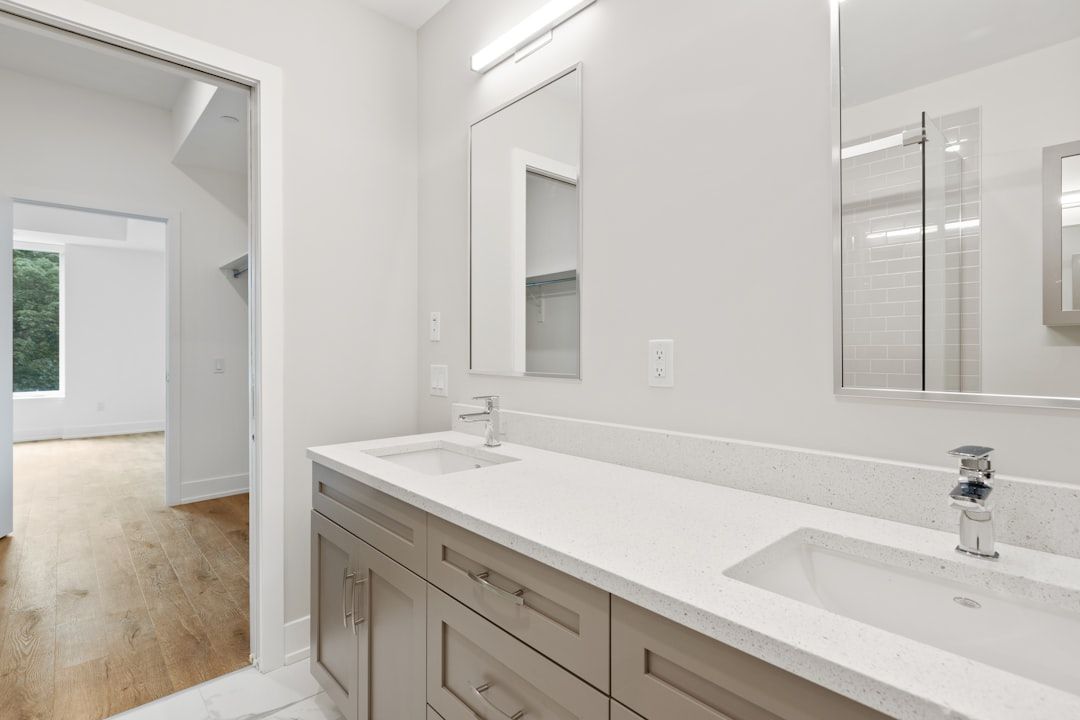
Bathroom Remodeling Cost in California: What Homeowners Should Expect and Insights for Entrepreneurial Growth
Understanding Bathroom Remodeling Cost in California
Bathroom remodeling is a popular home improvement project that many California homeowners consider. The cost can be influenced by a range of factors, and understanding these is crucial for planning a successful remodel.
Cost Factors and Regional Variations
When undertaking bathroom remodeling in California, several cost factors and regional variations come into play. The size of the bathroom, the quality of materials, and the complexity of the design can significantly impact the overall cost. Labor costs in California tend to be higher than the national average due to the state’s living expenses. For example, a remodel in San Francisco might cost considerably more than a similar project in a smaller city like Fresno.
Furthermore, the choice between luxury fixtures and budget-friendly options can alter the cost. Homeowners may invest in high-end showers, bathtubs, and tile work, which can raise the price substantially. Additionally, regional variations affect pricing; coastal areas often have higher labor costs, while inland areas may offer more competitive rates.
Average Price Ranges for Homeowners
Understanding the average price ranges can help homeowners budget effectively. On average, a basic bathroom remodel in California can cost between $10,000 and $20,000. This typically includes updates to fixtures, new flooring, and fresh paint. A mid-range remodel may cost between $20,000 and $40,000, which could involve more extensive updates, custom cabinetry, and upgraded fixtures.
For a high-end remodel, the costs can exceed $40,000, where a full suite of luxury features might be involved. This includes top-tier materials, high-quality lighting, and custom stone or tile work. It’s advisable for homeowners to request estimates from several contractors to get a broader view of potential costs.
Key Expectations in Project Budgeting
When budgeting for a bathroom remodel, it’s essential to account for unforeseen expenses. Allocating an additional 10% to 20% of the budget for unexpected costs can help prevent financial strain. Homeowners should also consider the potential return on investment; bathroom remodels can boost a home’s resale value. In urban areas like Los Angeles or San Diego, well-executed remodels might yield higher returns compared to rural areas.
Market Potential for Entrepreneurs
The bathroom remodeling industry in California presents significant potential for entrepreneurs. By understanding homeowner personas and market trends, businesses can find numerous opportunities for growth.
Identifying Homeowner Personas and Needs
Entrepreneurs should identify common homeowner personas and address their specific needs. For example, young professionals in urban areas may favor modern, minimalist designs, while families might prioritize functionality and storage. Eco-conscious homeowners could be interested in sustainable materials and water-saving fixtures.
By conducting local market research, businesses can tailor their offerings to match these needs, creating targeted marketing strategies that resonate with their audience.
Analyzing Remodeling Trends in California
Staying informed about the latest remodeling trends can provide a competitive edge. In recent years, Californians have shown increased interest in smart home technology, such as voice-activated lighting and climate controls. Additionally, trends like spa-inspired bathrooms with rainfall showers and heated floors are gaining popularity.
Understanding these trends can help businesses position themselves as knowledgeable and adaptable, meeting the evolving demands of the market.
Competitor Landscape and Niche Opportunities
The bathroom remodeling industry in California is competitive, with numerous players vying for market share. Analyzing the competitor landscape can reveal niche opportunities. For instance, specializing in eco-friendly remodels or focusing exclusively on luxury designs could differentiate a business from competitors.
By offering unique services or expertise in a particular niche, firms can attract a specific customer segment and reduce direct competition.
Keyword Research and SEO Planning
For businesses seeking visibility in the digital realm, keyword research and SEO planning are critical components of their strategy.
Targeting “Bathroom Remodeling Cost in California” Long-Tail Keywords
Targeting long-tail keywords related to “bathroom remodeling cost in California” can improve search visibility. Examples include “affordable bathroom remodeling in Los Angeles” or “luxury bathroom upgrades Sacramento.” These keywords often reflect specific user intents and face less competition than broader terms.
Incorporating these keywords naturally into website content, meta descriptions, and blog posts can help attract targeted traffic.
On-Page Optimization Best Practices
On-page optimization plays a vital role in SEO success. This includes optimizing title tags, using headers correctly, and ensuring content readability. For service sites, it’s important to have clear and concise service descriptions, testimonials, and trust signals like certifications.
Using Alt text for images and having a mobile-friendly design also contributes to improved search rankings and user experience.
Technical SEO Essentials for Service Sites
Technical SEO involves optimizing website infrastructure to make it easier for search engines to crawl and index content. Elements such as site speed, mobile responsiveness, and secure connections (HTTPS) are fundamental.
Ensuring there is a proper sitemap and implementing schema markup can enhance visibility on search results pages. Regular audits and addressing any technical issues promptly can keep a site in good standing with search engines.
Content Strategies to Expand Online Presence
Creating a strong online presence relies heavily on effective content strategies.
Creating Educational Blog Posts and Cost Guides
Educational blog posts and cost guides offer value to potential customers by providing actionable insights. Writing about topics like “Budgeting Tips for Bathroom Remodeling” or “Understanding ROI on Bathroom Updates” can engage readers.
These resources not only establish the company as an authority but also naturally integrate targeted keywords for SEO purposes.
Showcasing Case Studies and Before-After Galleries
Case studies and before-after galleries showcase past successes and project capabilities. These visual showcases can persuade potential clients by illustrating the tangible results of professional work.
Highlighting challenges faced and solutions implemented in case studies can also demonstrate problem-solving skills and experience.
Leveraging Video Content and Social Media
Video content is increasingly popular and can be used to explain complex processes or provide virtual tours of past projects. Sharing these videos on platforms like YouTube and Facebook can vastly enhance reach.
Social media engagement also provides an avenue to connect with potential customers more informally, building relationships and trust.
Local SEO and Paid Advertising Tactics
To succeed in a competitive market, businesses need to optimize for local and use paid advertising effectively.
Google My Business Optimization for Remodelers
Optimizing Google My Business listings is crucial for appearing in local searches and map results. Businesses should keep their profiles updated with accurate contact information, business hours, photos, and customer reviews.
Regular posts and engagement on Google My Business can enhance visibility and attract more local clientele.
Building Local Citations and Managing Reviews
Building citations on local directories and industry-specific platforms increases a business’s online footprint. Consistency in NAP (Name, Address, Phone Number) across these listings is vital.
Managing reviews involves responding to both positive and negative feedback, showing prospective clients a commitment to customer satisfaction and continuous improvement.
Designing PPC Campaigns Around Cost Queries
Designing PPC campaigns centered around cost-related queries can target potential customers actively searching for services. Keywords like “cost-effective bathroom remodel in California” can direct qualified traffic.
Clear, compelling ad copy and properly optimized landing pages contribute to better conversion rates, making PPC a worthwhile investment.
Measuring ROI and Scaling Your Online Efforts
Continuous measurement and analysis of online efforts can inform strategies and drive growth.
Tracking Traffic, Leads, and Conversion Metrics
Utilizing tools like Google Analytics enables tracking of website traffic, lead generation, and conversion rates. Understanding these metrics provides insights into what strategies are delivering results and which require adjustments.
Regular reporting and analysis can help in making data-driven decisions to maximize ROI.
A/B Testing Landing Pages and CTAs
A/B testing different versions of landing pages and calls-to-action (CTAs) can determine which designs or messages resonate best with the audience. Results from these tests can guide optimizations, improving user engagement and conversion.
Small changes, such as altering the color of a CTA button or adjusting headline text, can have significant impacts on performance.
Expanding Content Outreach and Partnership Opportunities
Expanding content outreach through guest posts, partnerships with industry blogs, and influencer collaborations can drive referral traffic. Building relationships with other businesses or influencers in the home improvement space can also provide cross-promotional opportunities.
These collaborations not only broaden reach but can also enhance credibility and trust in the eyes of potential clients.
By navigating the complexities of bathroom remodeling costs in California and applying strategic marketing efforts, businesses can better position themselves for growth and customer connection. Here at WebConcepts, we are committed to helping you achieve your marketing goals with effective, affordable, and personalized solutions. Visit our website to learn more about how we can support your business in the digital landscape. Let’s work together to enhance your online presence and drive your success forward.
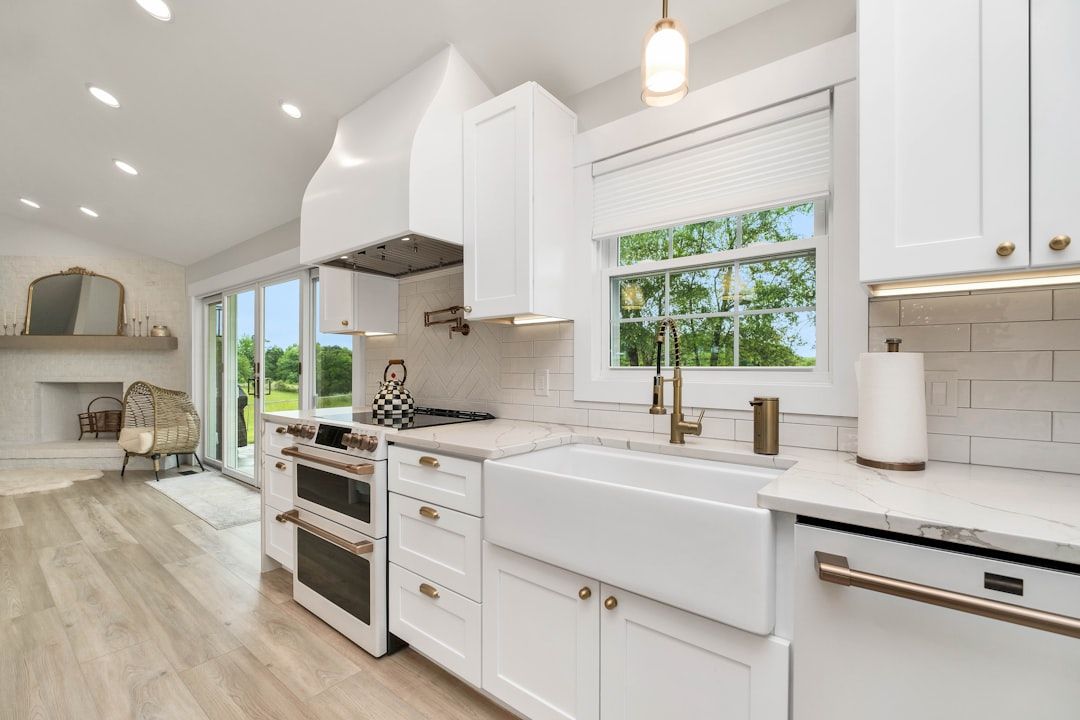
Budgeting Basics: Kitchen Remodeling Los Angeles – Complete Homeowner Guide to Cost-Effective Renovations
Understanding Kitchen Remodeling Los Angeles
Kitchen remodeling can be an exciting yet daunting task for homeowners in Los Angeles. Understanding the costs involved is the first step in ensuring a smooth renovation process. In this guide, we’ll break down the key elements that contribute to kitchen remodel costs in LA and offer tips to keep your project within budget.Kitchen Remodeling
Average Cost Ranges for LA Kitchen Remodels
The cost of a kitchen remodel in Los Angeles can vary widely depending on numerous factors. On average, homeowners might spend anywhere from $20,000 to $50,000 for a mid-range kitchen makeover. However, high-end renovations that include luxury appliances, bespoke cabinetry, and premium finishes can run upwards of $75,000 or more.
For those considering minor cosmetic updates or a partial overhaul, the costs might be on the lower end of the spectrum. It’s vital to assess what type of remodel fits your needs while taking into account the local market and your home’s value.Kitchen Remodeling
Key Factors Influencing Renovation Expenses
Several key factors play into the overall cost of a kitchen remodel. The size of your kitchen, quality of materials, appliances, and labor costs all contribute significantly. In Los Angeles, labor can be particularly pricey due to the city’s high cost of living and demand for skilled professionals.
Additionally, the complexity of the project can influence costs. For example, changing the kitchen layout or moving plumbing can increase expenses. It’s essential to create a detailed plan and consult with experienced remodelers to understand how these factors will impact your Kitchen Remodeling.
Hidden Costs: Permits, Fees, and Inspections
Often overlooked, permits and inspections can add to the expense of your remodel. Los Angeles has specific building codes and requirements that must be met. Depending on the scope of your renovation, you may need to secure permits, which come with associated fees.
Inspections may also be necessary to ensure safety and compliance. These can incur additional costs, particularly if corrections are needed. Budgeting for these hidden expenses can prevent surprises down the road.
Setting a Realistic Budget for Your LA Kitchen Project
Before embarking on your kitchen remodel, it’s crucial to set a realistic budget that aligns with your financial situation and goals. A well-planned budget will help you make informed decisions and avoid financial strain.Kitchen Remodeling
Assessing Your Financial Goals and Home Value
Consider how much you’re willing to spend based on your financial goals and the value of your home. A kitchen remodel can increase your property’s value, but it’s important to avoid over-improving. Compare similar homes in your area to gauge the return on investment you might expect.
Working with a financial advisor can be beneficial to determine how the remodel aligns with your long-term financial objectives.
Prioritizing Scope: Must-Haves vs. Nice-to-Haves
Clearly defining your priorities for the remodel is critical. Make a list of must-haves and nice-to-haves to guide your spending. Essential upgrades might include appliances or flooring, while luxury items such as high-end countertops or custom cabinets could be optional.
Sticking to this list will help keep your project on track and prevent spiraling costs.
Allocating Contingency Funds for Unexpected Costs
Unexpected costs can arise during any renovation project. Setting aside 10-20% of your budget as a contingency fund can cover unforeseen expenses. This could include issues uncovered during demolition or the need for additional repairs.Kitchen Remodeling
Having a financial cushion ensures that these surprises do not derail your project or exceed your budget.Kitchen Remodeling
Cost-Effective Design Strategies for LA Homeowners
For those looking to transform their kitchen without breaking the bank, cost-effective design strategies offer a smart solution. Thoughtful planning and design can ensure you achieve the look and function you desire.
Optimizing Layouts for Space Efficiency
Optimizing your kitchen layout is key to maximizing space and functionality without extensive structural changes. The “work triangle” concept—positioning the sink, refrigerator, and stove in a triangular layout—can enhance efficiency and flow.
Consider using creative storage solutions like pull-out shelves or overhead racks to make the most of existing space. This can save money by avoiding the need for additional cabinetry or structural changes.
Affordable Materials and High-Impact Finishes
Choosing affordable materials that mimic higher-end products can significantly cut costs. For instance, laminate countertops can be a budget-friendly alternative to natural stone. Similarly, engineered wood can give the look of hardwood without the hefty price tag.
High-impact finishes, such as a statement backsplash or updated lighting fixtures, can elevate the aesthetic without necessitating a full overhaul.
Energy-Efficient Upgrades to Save Long-Term
Incorporating energy-efficient upgrades can reduce utility bills over time. Look for Energy Star-rated appliances, LED lighting, and water-efficient fixtures. Not only do these options offer long-term savings, but they also qualify for rebates and tax incentives.
These upgrades can appeal to eco-conscious buyers, potentially adding value to your home for future resale.
Hiring and Managing Contractors in Los Angeles
Choosing the right contractor is vital to the success of your kitchen remodel. In a competitive market like Los Angeles, it’s important to find a contractor who is skilled, reliable, and within your budget.
Finding Licensed and Insured Kitchen Remodelers
Start by asking for recommendations and researching online for licensed and insured contractors. Verify credentials and check for any past complaints with the Better Business Bureau.
Licensed contractors must meet certain standards and insurance protects against liabilities. This offers peace of mind that your project is in good hands.Kitchen Remodeling
Comparing Bids and Negotiating Contracts
Collect bids from multiple contractors to compare costs and services. Be cautious of extremely low bids, which may indicate lower quality materials or workmanship.
Review the contracts thoroughly, ensuring everything is documented, including timelines, payment schedules, and scope of work. Don’t hesitate to negotiate terms to ensure clarity and fairness for both parties.
Monitoring Progress and Quality Control
Once your project is underway, regular communication with your contractor is essential. Schedule site visits to monitor progress and quality. Address issues promptly to avoid costly mistakes or delays.
Permits, Regulations, and Inspections in LA County
Understanding local regulations is essential to ensure a smooth kitchen remodel in Los Angeles. The city has specific requirements regarding building codes, permits, and inspections that must be adhered to.
Understanding Los Angeles Building Codes
Becoming familiar with the building codes applicable to kitchen renovations is crucial. These codes dictate everything from electrical systems to ventilation and structural requirements.
Failure to comply can lead to fines or mandatory changes, increasing costs and prolonging your project timeline.
Navigating the Permit Application Process
The permit application process in LA can be complex. It’s advisable to work with a contractor or a permit expeditor who can navigate this process efficiently. They will ensure your application is complete and submitted correctly to avoid delays.
Permits ensure that any work done is safe and up to code, protecting you and potential future buyers.Kitchen Remodeling
Scheduling and Passing Inspections
Inspections are typically required at various stages of a kitchen remodel. Scheduling inspections in advance and preparing properly can help avoid project delays. Ensure all work is completed and code-compliant before inspection.
Passing inspections promptly is crucial to moving forward with your remodel, preventing downtime and potential penalties.
Maximizing ROI and Final Budget Review
After completing your kitchen remodel, it’s time to assess its success in terms of functionality, aesthetics, and financial returns. Ensuring that your investment yields a satisfactory return is key to a successful project.
ROI-Boosting Upgrades for LA Kitchens
Certain upgrades can maximize your return on investment. High-efficiency appliances, durable countertops, and modern cabinetry can add value and appeal to potential buyers.
Consider timeless designs and neutral colors, which tend to attract a broader range of purchasers in the future.
Tracking Final Costs and Budget Reconciliation
Keeping track of the final costs against your initial budget is important. This includes reconciling any changes made during the project. Evaluating the financial decisions and project outcomes can provide valuable insights for future renovations.Kitchen Remodeling
Tips for a Smooth Project Completion
As you near the project’s end, focus on finalizing details such as touch-ups or adjustments. Ensure all work is completed to your satisfaction before making final payments.
Celebrating your new kitchen with a small gathering can also be a rewarding way to enjoy the results of your investment.

Kitchen Remodeling Mistakes Los Angeles: 12 Costly Errors Homeowners Must Avoid
KITCHEN REMODELING MISTAKES LOS ANGELES: COMPLETE HOMEOWNER GUIDE
Kitchen remodeling mistakes Los Angeles homeowners make can quickly turn an exciting renovation into a stressful and expensive experience.
A kitchen remodel is one of the most valuable home improvement investments, but poor planning, hiring mistakes, unrealistic budgets, and permit problems can create serious setbacks.
Los Angeles remodeling projects come with unique challenges, including strict building requirements, premium labor costs, design expectations, and scheduling complexities.
This guide covers the most expensive kitchen remodeling mistakes and how to avoid them.
Table of Contents
- Why Kitchen Remodeling Mistakes Happen
- Budget Mistakes
- Contractor Hiring Mistakes
- Design Planning Errors
- Material Selection Mistakes
- Permit and Compliance Issues
- Timeline Problems
- Common Functional Design Mistakes
- FAQs
Why Kitchen Remodeling Mistakes Los Angeles Homeowners Make Are So Costly
Kitchen mistakes are expensive because kitchens involve multiple technical systems.
A remodel often includes:
- plumbing
- electrical
- cabinetry
- ventilation
- appliances
- countertops
- structural modifications
- inspections
Mistakes can multiply costs quickly.
Housing information:
https://www.hud.gov
1. Starting Without a Clear Remodeling Plan
Poor planning creates chaos.
Common planning failures:
- unclear goals
- changing layouts mid-project
- undefined budgets
- weak material decisions
- no appliance planning
Always define:
- design objectives
- workflow needs
- storage requirements
- family lifestyle priorities
- realistic timeline
Strong planning reduces expensive surprises.
2. Underestimating Kitchen Remodeling Costs
Budget mistakes are among the most common kitchen remodeling mistakes Los Angeles homeowners make.
Costs often increase because homeowners forget:
- permits
- demolition
- plumbing changes
- electrical upgrades
- inspections
- material delivery
- structural repairs
- temporary kitchen disruption
Typical contingency recommendation:
15–20%.
Example:
A $60,000 remodel should reserve an additional $9,000–$12,000.
Energy information:
https://www.energy.gov
3. Hiring the Cheapest Contractor
Lowest bids often create major risks.
Potential problems:
- poor workmanship
- hidden costs
- delays
- licensing issues
- code violations
- unfinished work
Professional contractor evaluation should include:
- California license verification
- insurance
- references
- local reviews
- portfolio
- written estimate
- clear payment schedule
Cheap remodeling often becomes expensive remodeling.
4. Ignoring Los Angeles Permit Requirements
Permit mistakes can create legal and financial trouble.
Kitchen remodels often require permits for:
- electrical rewiring
- gas line work
- plumbing relocation
- wall removal
- HVAC modifications
- window changes
Skipping permits may lead to:
- stop-work orders
- city fines
- failed inspections
- resale disclosure issues
- insurance claim complications
Official permit information:
https://www.ladbs.org
5. Prioritizing Style Over Functionality
Beautiful kitchens can fail functionally.
Common mistakes:
- oversized islands blocking movement
- poor appliance placement
- insufficient prep space
- weak storage planning
- decorative lighting with poor usability
Function must guide design.
6. Choosing Cheap Materials
Low-cost materials fail faster.
Examples:
- warped cabinets
- weak hinges
- scratched counters
- cheap flooring wear
- hardware failure
Los Angeles homeowners should prioritize durable products.
Long-term value matters more than short-term savings.
7. Poor Kitchen Layout Planning
Bad layouts create daily frustration.
Critical layout mistakes:
Bad Work Triangle Planning
Poor relationships between:
- refrigerator
- sink
- cooktop
Movement becomes inefficient.
Narrow Walkways
Tight spaces reduce usability.
Recommended movement clearance matters.
Weak Storage Planning
Insufficient storage creates clutter.
Plan:
- pantry storage
- deep drawers
- vertical storage
- hidden appliance solutions
8. Ignoring Ventilation Requirements
Ventilation is often overlooked.
Problems include:
- trapped cooking odors
- moisture buildup
- grease accumulation
- reduced air quality
Proper range hood planning matters.
9. Poor Lighting Design
Lighting mistakes ruin expensive kitchens.
Use layered lighting:
Ambient Lighting
General visibility.
Task Lighting
Prep and cooking support.
Accent Lighting
Visual enhancement.
One ceiling fixture is never enough.
10. Unrealistic Remodeling Timelines
Many homeowners underestimate timelines.
Potential delays:
- permits
- inspections
- material shipping
- subcontractor scheduling
- hidden structural issues
- design changes
Typical kitchen remodels often take weeks, not days.
Flexibility is essential.
11. Buying Appliances Too Late
Late appliance decisions create installation problems.
Issues:
- wrong dimensions
- delayed cabinet fabrication
- delivery disruptions
- design incompatibility
Select appliances early.
12. Ignoring Future Needs
Think long-term.
Questions:
- family growth?
- aging-in-place?
- resale plans?
- technology needs?
Future planning protects investments.kitchen remodeling mistakes los angeles
Why Professional Kitchen Remodeling Matters
Professional remodeling helps avoid:
- code violations
- expensive mistakes
- schedule disruption
- design inefficiency
- low-quality execution
Expert guidance improves outcomes.
Why Choose Flat Rate Remodeling
Flat Rate Remodeling helps Los Angeles homeowners avoid costly remodeling mistakes through professional planning and quality craftsmanship.
Benefits:
- expert design guidance
- local permit knowledge
- transparent pricing
- licensed professionals
- premium workmanship
- project coordination
Smart remodeling begins with experienced professionals.
FAQ SECTION
What are the most common kitchen remodeling mistakes?
Budget mistakes, poor layout planning, hiring cheap contractors, permit violations, and weak storage planning.
Do kitchen remodels require permits in Los Angeles?
Yes, many projects involving plumbing, electrical, gas, or structural work require permits.
How much contingency budget should I keep?
Experts recommend 15–20% contingency funds.
How long does a kitchen remodel take?
Most kitchen remodels take several weeks depending on complexity.
Is hiring a professional contractor worth it?
Yes. Professional remodeling reduces mistakes, delays, and long-term repair costs.
CTA
Planning a kitchen renovation?
Avoid expensive kitchen remodeling mistakes Los Angeles homeowners commonly make by working with experienced remodeling professionals.
Contact Flat Rate Remodeling today for your consultation.