

4 Ways an ADU Conversion Can Boost Your Property Value: Enhancing Space, Income, and Marketability
What Is an Accessory Dwelling Unit (ADU) Conversion?
Defining an ADU and Conversion Benefits
An Accessory Dwelling Unit (ADU) is a smaller, independent residential space located on the same property as a single-family home. ADUs can be garage conversions, basement apartments, backyard cottages, or standalone units. They serve various purposes such as providing additional rental income, housing for extended family, or an accessible living space for elderly parents.
The benefits of converting an existing space into an ADU are numerous. ADUs offer a solution for housing shortages by utilizing underused areas, which can significantly increase the value of a property. They enhance the property’s function and generate additional revenue. The conversion process, though complex, can be a fruitful investment if planned carefully.
Common Types of ADU Conversions
ADU conversions come in several forms, each with unique features and challenges. Garage conversions are popular due to their simplicity and minimal disruption to the primary residence. Basement conversions require addressing challenges like moisture and limited natural lighting, but they can provide cozy, private accommodations. Detached new constructions allow for a separate, more independent living space, often designed to match the aesthetics of the main home.
Creating a loft apartment is another option, often suitable for properties with tall ceilings. This type maximizes vertical space without expanding the property’s footprint.
Local Zoning Laws and Regulations
Before embarking on an ADU conversion, it’s essential to understand local zoning laws and regulations. Each locality has its own set of rules regarding lot size, height restrictions, and parking requirements. Zoning laws can dictate the maximum size of an ADU and its distance from property lines or other structures.
Consulting with a local planning department or a professional familiar with these laws ensures compliance and avoids costly fines or renovations. It’s crucial to consider neighborhood-specific guidelines that might affect the approval of your ADU project.
Preliminary Cost Considerations
Converting an existing space into an ADU involves several cost factors. Basic costs include design and engineering fees, permits, construction, and utility hookups. The complexity of the conversion will affect these costs, as factors such as existing structure condition, required upgrades, and material choice come into play.
Owners should maintain a contingency budget for unexpected expenses during the conversion. Proper planning can minimize cost overruns and set realism in budgeting. Researching all potential costs and preparing a detailed financial plan will provide clarity on the financial commitment involved.
Generate Additional Rental Income and Improve ROI
Comparing Long-Term vs. Short-Term Rentals
ADUs offer rental opportunities for both long-term tenants and short-term guests. Long-term rentals provide steady, predictable income and require less frequent management. These arrangements attract tenants seeking stability and community presence.
Short-term rentals, facilitated by platforms like Airbnb, deliver higher nightly rates and flexibility. They also require more frequent maintenance, marketing effort, and may be subject to stricter local regulations. Property owners should weigh the pros and cons to determine which strategy aligns best with their financial goals and lifestyle.
Average Rental Yields for ADUs
Rental yields from ADUs can vary by location, size, amenities, and local demand. In urban areas or near universities where rental demands are high, ADU rentals can fetch significant returns. Typically, ADUs can yield 20-30% more per square foot compared to the main house.
Researching comparable properties and average rental rates in the area helps set competitive pricing. Analyzing historical rental trends can give a clearer forecast of long-term income potential.
Legal and Permit Requirements
Securing the rights to rent out an ADU involves understanding legal and permit requirements. Zoning laws may dictate the conditions under which ADUs can be used as rentals. Properties in specific zones might need special permits, so consulting with local authorities is crucial.
Certain areas require ADU owners to reside on the property for short-term rentals. Understanding these legal nuances is vital to protect investments and avoid penalties.
Maximizing Occupancy and Rental Rates
To maximize occupancy and rental rates, it’s beneficial to focus on marketability and tenant satisfaction. Investing in quality furnishings and amenities can justify higher rental rates and attract a diverse tenant pool.
Creating an online presence through rental listing platforms can increase visibility. Highlighting unique selling points, such as proximity to public transport or scenic areas, can also appeal to potential tenants. Regular feedback solicitation helps to continually improve the rental experience.
Optimize Space and Functionality to Enhance Property Value
Strategic Floor Plan Layouts
A well-thought-out floor plan allows for efficient use of available space, making the ADU more appealing and functional. Designing open floor plans can make small areas appear larger, while incorporating sliding doors and convertible furniture can further enhance space utilization.
Engaging a professional designer to suggest layout options can maximize both aesthetics and practicality. Understanding the target tenant demographic helps tailor the design features to their preferences and needs.
Incorporating Smart Home Technology
Integrating smart home technology can establish the ADU as a modern, convenient space. Installing smart thermostats, lighting, and security systems increases comfort and energy efficiency. These features are attractive to tech-savvy renters looking for efficiency and safety in their living space.
Researching cost-effective smart home solutions helps manage expenses while enhancing the appeal and rental value of the ADU.
Efficient Storage and Multi-Use Spaces
With limited space, prioritizing efficient storage solutions and multi-purpose areas is paramount. Built-in shelves, wall-mounted desks, and under-bed storage can greatly increase the functionality of an ADU.
Creating multi-use spaces by using foldable furniture or raised platforms can differentiate an ordinary unit from a desirable one. Tailoring these designs to fit occupants’ possible needs makes the ADU attractive and versatile.
Upgrading Plumbing, Electrical, and HVAC
Modernizing the plumbing, electrical, and HVAC systems not only ensures compliance with building codes but improves tenant satisfaction. Energy-efficient appliances and HVAC systems can also reduce utility costs, which is appealing to both owners and tenants.
Investing in green technologies and solutions, such as low-flow fixtures and solar panels, furthers efficiency and sustainability. It’s important to work with licensed professionals to ensure all upgrades meet safety standards.
Enhance Curb Appeal and Marketability with ADU Finishes
Exterior Design Trends and Landscaping
Curb appeal plays a critical role in attracting tenants and enhancing property value. Adopting contemporary design trends, such as minimalist lines and earth-toned finishes, can give the ADU a fresh and inviting look. Complementary landscaping with native plants, along with patios and gardening spaces, further enhances the setting.
Consulting with a landscape designer to create a harmonious outdoor living environment adds value and increases aesthetic appeal.
Premium Interior Finishes and Fixtures
Investing in high-quality interior finishes and fixtures can elevate the perception of the ADU. Durable materials like hardwood flooring, quartz countertops, and stainless steel appliances lend a premium feel.
Coordinating colors, textures, and lighting can create a cohesive and attractive design. The effort invested in these details can lead to higher rental rates and shorter vacancy periods.
Showcasing the ADU as a Bonus Living Space
Positioning the ADU as a versatile bonus space, such as a guesthouse, home office, or short-term rental, enhances market appeal. Presenting it as a potential in-law suite or nanny quarters can attract families.
Using high-quality photographs and virtual tours in marketing materials will showcase the ADU’s unique features. Emphasizing its versatility in advertising can broaden the range of interested tenants or buyers.
Effective Staging for Prospective Buyers
Staging is a proven technique to help buyers visualize themselves in a space. Effective staging, using neutral tones and light backgrounds, can highlight the ADU’s best features.
Including furniture and accessories that complement the unit’s style makes it more engaging. Staging enhances the perceived value of the property, making it a key strategy for attracting potential buyers.
Leverage Tax Incentives and Home Equity Growth
Federal, State, and Local Tax Credits
Understanding and accessing tax credits available for ADUs can improve financial feasibility. Certain areas offer tax breaks and rebates for energy-efficient upgrades made during conversion.
Consulting with a tax professional will clarify which credits could apply and help maximize these savings. Such incentives can make a significant difference in the investment’s overall cost-effectiveness.
Depreciation Schedules and Cost Segregation
Depreciation schedules allow property owners to recover the costs of their investment through tax deductions over time. Utilizing cost segregation strategies, which separate property components for tax purposes, can accelerate tax benefits.
A knowledgeable accountant can establish a depreciation schedule while ensuring compliance with tax regulations. Understanding these financial tools helps in making informed decisions about property improvements.
Impact on Assessed Property Value
Converting a part of your property into an ADU generally increases the overall property value. It’s important to understand how additional square footage and improvements might affect property taxes.
Consult with a local real estate agent or appraiser to gauge how much an ADU conversion could boost your property’s assessed value. This insight is critical when considering long-term investment outcomes.
Financing ADU Conversion for Equity Building
Financing your ADU conversion can be achieved through home equity loans, personal loans, or refinancing options. Each financial product comes with its own terms and conditions, so it’s crucial to research thoroughly or consult a financial advisor.
Building equity through an ADU can make your property more valuable and can improve financial positioning in the real estate market. Understanding your financial capabilities and risks enhances decision-making regarding financing conversion.
Planning Your ADU Conversion for Maximum ROI
Selecting Architects and Contractors
Choosing the right architects and contractors is essential for a successful ADU conversion. Look for professionals with proven experience in ADU projects and check their reviews and previous work.
Consider scheduling interviews and obtaining quotes from multiple professionals to find the best fit. A skilled team will navigate regulations, optimize design, and manage construction effectively.
Creating a Realistic Budget and Timeline
Establishing a realistic budget and timeline is crucial to managing costs and expectations. Detail all anticipated expenses and leave room for contingencies. Setting milestones within the timeline can keep the project on track.
Using construction management tools or hiring a project manager can help effectively coordinate the conversion process. Regularly revisiting the plan ensures the project stays aligned with the budget and schedule.
Navigating Zoning, Permitting, and Inspections
Navigating zoning policies and obtaining necessary permits requires diligence and patience. Initiate the process by submitting detailed plans to the local planning department and incorporating feedback quickly.
Schedule required inspections during construction to address compliance issues promptly and avoid delays. Maintaining open communication with local authorities can smooth the permitting process.
Post-Conversion Maintenance Strategies
Developing a maintenance strategy is integral to preserving the ADU’s quality and value. Regular inspections and upkeep of critical systems—plumbing, HVAC, and electrical—are advisable. Efficient property management, whether professionally managed or owner-managed, ensures the ADU remains fully functional and appealing.
Scheduling seasonal maintenance and promptly addressing tenant concerns will keep the ADU in optimal condition. Well-maintained properties not only enhance tenant satisfaction but also support sustained value growth.
In conclusion, an ADU conversion offers a promising opportunity for property owners to enhance their space, generate rental income, and boost property value. With careful planning, an understanding of zoning laws, and strategic design choices, you can maximize the benefits from such an investment.
For businesses and entrepreneurs considering an ADU project as part of their growth strategies, remember that effective planning and execution underpin successful outcomes. As you explore your options, remember to consult experts and gather comprehensive information to inform your decisions.
If you’re ready to explore more about how your business can leverage digital tools for growth, consider reaching out to WebConcepts for expert guidance in web and digital strategy.
WebConcepts with Adi Ben Eliyahu can assist in growing your business, optimizing web presence, and supporting your expansion goals with proven digital solutions. Explore how our approach can enhance your project and provide the competitive edge needed in today’s market. Contact us today to learn how we can assist in achieving your business objectives.
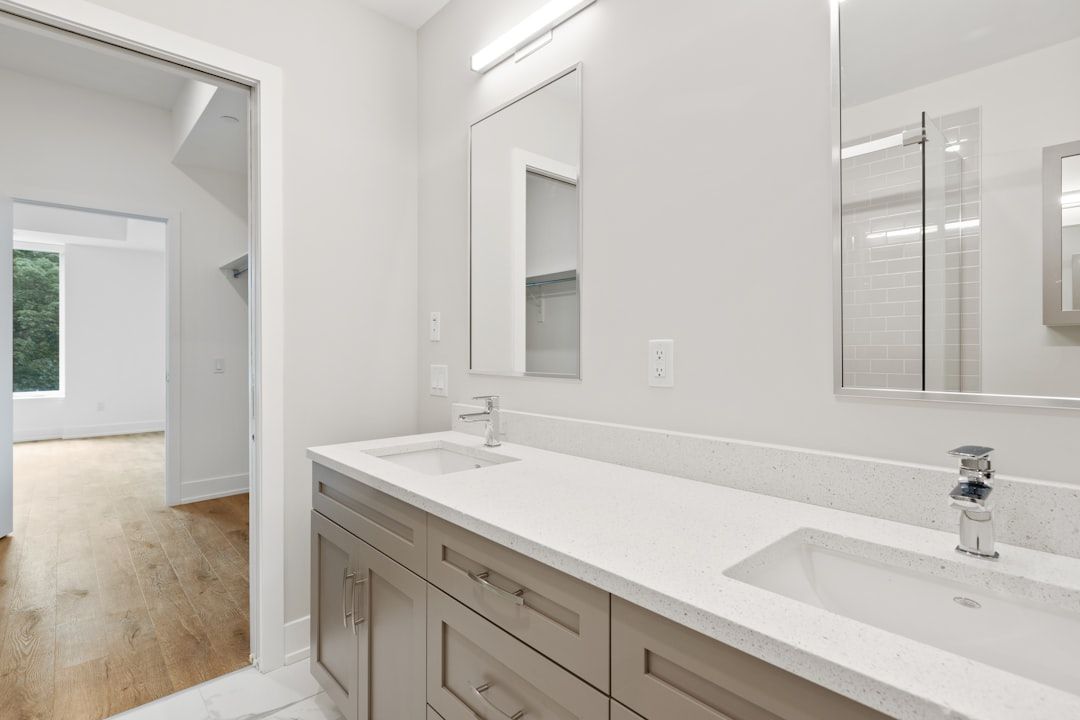
Bathroom Remodeling Cost in California: What Homeowners Should Expect and Insights for Entrepreneurial Growth
Understanding Bathroom Remodeling Cost in California
Bathroom remodeling is a popular home improvement project that many California homeowners consider. The cost can be influenced by a range of factors, and understanding these is crucial for planning a successful remodel.
Cost Factors and Regional Variations
When undertaking bathroom remodeling in California, several cost factors and regional variations come into play. The size of the bathroom, the quality of materials, and the complexity of the design can significantly impact the overall cost. Labor costs in California tend to be higher than the national average due to the state’s living expenses. For example, a remodel in San Francisco might cost considerably more than a similar project in a smaller city like Fresno.
Furthermore, the choice between luxury fixtures and budget-friendly options can alter the cost. Homeowners may invest in high-end showers, bathtubs, and tile work, which can raise the price substantially. Additionally, regional variations affect pricing; coastal areas often have higher labor costs, while inland areas may offer more competitive rates.
Average Price Ranges for Homeowners
Understanding the average price ranges can help homeowners budget effectively. On average, a basic bathroom remodel in California can cost between $10,000 and $20,000. This typically includes updates to fixtures, new flooring, and fresh paint. A mid-range remodel may cost between $20,000 and $40,000, which could involve more extensive updates, custom cabinetry, and upgraded fixtures.
For a high-end remodel, the costs can exceed $40,000, where a full suite of luxury features might be involved. This includes top-tier materials, high-quality lighting, and custom stone or tile work. It’s advisable for homeowners to request estimates from several contractors to get a broader view of potential costs.
Key Expectations in Project Budgeting
When budgeting for a bathroom remodel, it’s essential to account for unforeseen expenses. Allocating an additional 10% to 20% of the budget for unexpected costs can help prevent financial strain. Homeowners should also consider the potential return on investment; bathroom remodels can boost a home’s resale value. In urban areas like Los Angeles or San Diego, well-executed remodels might yield higher returns compared to rural areas.
Market Potential for Entrepreneurs
The bathroom remodeling industry in California presents significant potential for entrepreneurs. By understanding homeowner personas and market trends, businesses can find numerous opportunities for growth.
Identifying Homeowner Personas and Needs
Entrepreneurs should identify common homeowner personas and address their specific needs. For example, young professionals in urban areas may favor modern, minimalist designs, while families might prioritize functionality and storage. Eco-conscious homeowners could be interested in sustainable materials and water-saving fixtures.
By conducting local market research, businesses can tailor their offerings to match these needs, creating targeted marketing strategies that resonate with their audience.
Analyzing Remodeling Trends in California
Staying informed about the latest remodeling trends can provide a competitive edge. In recent years, Californians have shown increased interest in smart home technology, such as voice-activated lighting and climate controls. Additionally, trends like spa-inspired bathrooms with rainfall showers and heated floors are gaining popularity.
Understanding these trends can help businesses position themselves as knowledgeable and adaptable, meeting the evolving demands of the market.
Competitor Landscape and Niche Opportunities
The bathroom remodeling industry in California is competitive, with numerous players vying for market share. Analyzing the competitor landscape can reveal niche opportunities. For instance, specializing in eco-friendly remodels or focusing exclusively on luxury designs could differentiate a business from competitors.
By offering unique services or expertise in a particular niche, firms can attract a specific customer segment and reduce direct competition.
Keyword Research and SEO Planning
For businesses seeking visibility in the digital realm, keyword research and SEO planning are critical components of their strategy.
Targeting “Bathroom Remodeling Cost in California” Long-Tail Keywords
Targeting long-tail keywords related to “bathroom remodeling cost in California” can improve search visibility. Examples include “affordable bathroom remodeling in Los Angeles” or “luxury bathroom upgrades Sacramento.” These keywords often reflect specific user intents and face less competition than broader terms.
Incorporating these keywords naturally into website content, meta descriptions, and blog posts can help attract targeted traffic.
On-Page Optimization Best Practices
On-page optimization plays a vital role in SEO success. This includes optimizing title tags, using headers correctly, and ensuring content readability. For service sites, it’s important to have clear and concise service descriptions, testimonials, and trust signals like certifications.
Using Alt text for images and having a mobile-friendly design also contributes to improved search rankings and user experience.
Technical SEO Essentials for Service Sites
Technical SEO involves optimizing website infrastructure to make it easier for search engines to crawl and index content. Elements such as site speed, mobile responsiveness, and secure connections (HTTPS) are fundamental.
Ensuring there is a proper sitemap and implementing schema markup can enhance visibility on search results pages. Regular audits and addressing any technical issues promptly can keep a site in good standing with search engines.
Content Strategies to Expand Online Presence
Creating a strong online presence relies heavily on effective content strategies.
Creating Educational Blog Posts and Cost Guides
Educational blog posts and cost guides offer value to potential customers by providing actionable insights. Writing about topics like “Budgeting Tips for Bathroom Remodeling” or “Understanding ROI on Bathroom Updates” can engage readers.
These resources not only establish the company as an authority but also naturally integrate targeted keywords for SEO purposes.
Showcasing Case Studies and Before-After Galleries
Case studies and before-after galleries showcase past successes and project capabilities. These visual showcases can persuade potential clients by illustrating the tangible results of professional work.
Highlighting challenges faced and solutions implemented in case studies can also demonstrate problem-solving skills and experience.
Leveraging Video Content and Social Media
Video content is increasingly popular and can be used to explain complex processes or provide virtual tours of past projects. Sharing these videos on platforms like YouTube and Facebook can vastly enhance reach.
Social media engagement also provides an avenue to connect with potential customers more informally, building relationships and trust.
Local SEO and Paid Advertising Tactics
To succeed in a competitive market, businesses need to optimize for local and use paid advertising effectively.
Google My Business Optimization for Remodelers
Optimizing Google My Business listings is crucial for appearing in local searches and map results. Businesses should keep their profiles updated with accurate contact information, business hours, photos, and customer reviews.
Regular posts and engagement on Google My Business can enhance visibility and attract more local clientele.
Building Local Citations and Managing Reviews
Building citations on local directories and industry-specific platforms increases a business’s online footprint. Consistency in NAP (Name, Address, Phone Number) across these listings is vital.
Managing reviews involves responding to both positive and negative feedback, showing prospective clients a commitment to customer satisfaction and continuous improvement.
Designing PPC Campaigns Around Cost Queries
Designing PPC campaigns centered around cost-related queries can target potential customers actively searching for services. Keywords like “cost-effective bathroom remodel in California” can direct qualified traffic.
Clear, compelling ad copy and properly optimized landing pages contribute to better conversion rates, making PPC a worthwhile investment.
Measuring ROI and Scaling Your Online Efforts
Continuous measurement and analysis of online efforts can inform strategies and drive growth.
Tracking Traffic, Leads, and Conversion Metrics
Utilizing tools like Google Analytics enables tracking of website traffic, lead generation, and conversion rates. Understanding these metrics provides insights into what strategies are delivering results and which require adjustments.
Regular reporting and analysis can help in making data-driven decisions to maximize ROI.
A/B Testing Landing Pages and CTAs
A/B testing different versions of landing pages and calls-to-action (CTAs) can determine which designs or messages resonate best with the audience. Results from these tests can guide optimizations, improving user engagement and conversion.
Small changes, such as altering the color of a CTA button or adjusting headline text, can have significant impacts on performance.
Expanding Content Outreach and Partnership Opportunities
Expanding content outreach through guest posts, partnerships with industry blogs, and influencer collaborations can drive referral traffic. Building relationships with other businesses or influencers in the home improvement space can also provide cross-promotional opportunities.
These collaborations not only broaden reach but can also enhance credibility and trust in the eyes of potential clients.
By navigating the complexities of bathroom remodeling costs in California and applying strategic marketing efforts, businesses can better position themselves for growth and customer connection. Here at WebConcepts, we are committed to helping you achieve your marketing goals with effective, affordable, and personalized solutions. Visit our website to learn more about how we can support your business in the digital landscape. Let’s work together to enhance your online presence and drive your success forward.
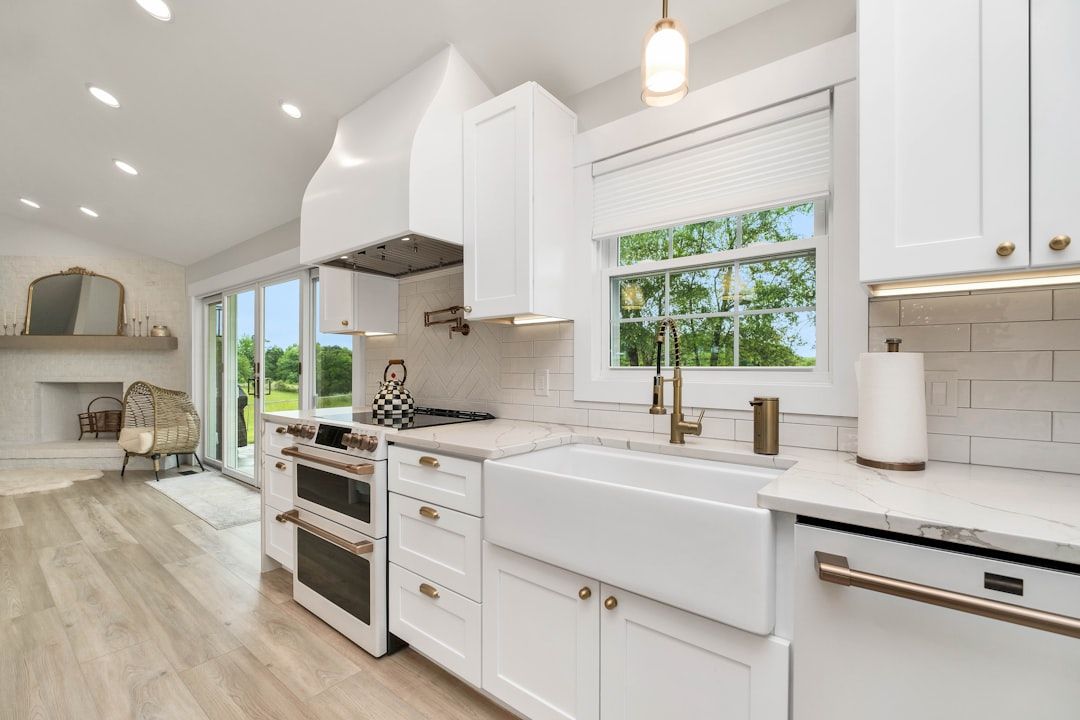
Budgeting Basics: Kitchen Remodeling Los Angeles – Complete Homeowner Guide to Cost-Effective Renovations
Understanding Kitchen Remodeling Los Angeles
Kitchen remodeling can be an exciting yet daunting task for homeowners in Los Angeles. Understanding the costs involved is the first step in ensuring a smooth renovation process. In this guide, we’ll break down the key elements that contribute to kitchen remodel costs in LA and offer tips to keep your project within budget.Kitchen Remodeling
Average Cost Ranges for LA Kitchen Remodels
The cost of a kitchen remodel in Los Angeles can vary widely depending on numerous factors. On average, homeowners might spend anywhere from $20,000 to $50,000 for a mid-range kitchen makeover. However, high-end renovations that include luxury appliances, bespoke cabinetry, and premium finishes can run upwards of $75,000 or more.
For those considering minor cosmetic updates or a partial overhaul, the costs might be on the lower end of the spectrum. It’s vital to assess what type of remodel fits your needs while taking into account the local market and your home’s value.Kitchen Remodeling
Key Factors Influencing Renovation Expenses
Several key factors play into the overall cost of a kitchen remodel. The size of your kitchen, quality of materials, appliances, and labor costs all contribute significantly. In Los Angeles, labor can be particularly pricey due to the city’s high cost of living and demand for skilled professionals.
Additionally, the complexity of the project can influence costs. For example, changing the kitchen layout or moving plumbing can increase expenses. It’s essential to create a detailed plan and consult with experienced remodelers to understand how these factors will impact your Kitchen Remodeling.
Hidden Costs: Permits, Fees, and Inspections
Often overlooked, permits and inspections can add to the expense of your remodel. Los Angeles has specific building codes and requirements that must be met. Depending on the scope of your renovation, you may need to secure permits, which come with associated fees.
Inspections may also be necessary to ensure safety and compliance. These can incur additional costs, particularly if corrections are needed. Budgeting for these hidden expenses can prevent surprises down the road.
Setting a Realistic Budget for Your LA Kitchen Project
Before embarking on your kitchen remodel, it’s crucial to set a realistic budget that aligns with your financial situation and goals. A well-planned budget will help you make informed decisions and avoid financial strain.Kitchen Remodeling
Assessing Your Financial Goals and Home Value
Consider how much you’re willing to spend based on your financial goals and the value of your home. A kitchen remodel can increase your property’s value, but it’s important to avoid over-improving. Compare similar homes in your area to gauge the return on investment you might expect.
Working with a financial advisor can be beneficial to determine how the remodel aligns with your long-term financial objectives.
Prioritizing Scope: Must-Haves vs. Nice-to-Haves
Clearly defining your priorities for the remodel is critical. Make a list of must-haves and nice-to-haves to guide your spending. Essential upgrades might include appliances or flooring, while luxury items such as high-end countertops or custom cabinets could be optional.
Sticking to this list will help keep your project on track and prevent spiraling costs.
Allocating Contingency Funds for Unexpected Costs
Unexpected costs can arise during any renovation project. Setting aside 10-20% of your budget as a contingency fund can cover unforeseen expenses. This could include issues uncovered during demolition or the need for additional repairs.Kitchen Remodeling
Having a financial cushion ensures that these surprises do not derail your project or exceed your budget.Kitchen Remodeling
Cost-Effective Design Strategies for LA Homeowners
For those looking to transform their kitchen without breaking the bank, cost-effective design strategies offer a smart solution. Thoughtful planning and design can ensure you achieve the look and function you desire.
Optimizing Layouts for Space Efficiency
Optimizing your kitchen layout is key to maximizing space and functionality without extensive structural changes. The “work triangle” concept—positioning the sink, refrigerator, and stove in a triangular layout—can enhance efficiency and flow.
Consider using creative storage solutions like pull-out shelves or overhead racks to make the most of existing space. This can save money by avoiding the need for additional cabinetry or structural changes.
Affordable Materials and High-Impact Finishes
Choosing affordable materials that mimic higher-end products can significantly cut costs. For instance, laminate countertops can be a budget-friendly alternative to natural stone. Similarly, engineered wood can give the look of hardwood without the hefty price tag.
High-impact finishes, such as a statement backsplash or updated lighting fixtures, can elevate the aesthetic without necessitating a full overhaul.
Energy-Efficient Upgrades to Save Long-Term
Incorporating energy-efficient upgrades can reduce utility bills over time. Look for Energy Star-rated appliances, LED lighting, and water-efficient fixtures. Not only do these options offer long-term savings, but they also qualify for rebates and tax incentives.
These upgrades can appeal to eco-conscious buyers, potentially adding value to your home for future resale.
Hiring and Managing Contractors in Los Angeles
Choosing the right contractor is vital to the success of your kitchen remodel. In a competitive market like Los Angeles, it’s important to find a contractor who is skilled, reliable, and within your budget.
Finding Licensed and Insured Kitchen Remodelers
Start by asking for recommendations and researching online for licensed and insured contractors. Verify credentials and check for any past complaints with the Better Business Bureau.
Licensed contractors must meet certain standards and insurance protects against liabilities. This offers peace of mind that your project is in good hands.Kitchen Remodeling
Comparing Bids and Negotiating Contracts
Collect bids from multiple contractors to compare costs and services. Be cautious of extremely low bids, which may indicate lower quality materials or workmanship.
Review the contracts thoroughly, ensuring everything is documented, including timelines, payment schedules, and scope of work. Don’t hesitate to negotiate terms to ensure clarity and fairness for both parties.
Monitoring Progress and Quality Control
Once your project is underway, regular communication with your contractor is essential. Schedule site visits to monitor progress and quality. Address issues promptly to avoid costly mistakes or delays.
Permits, Regulations, and Inspections in LA County
Understanding local regulations is essential to ensure a smooth kitchen remodel in Los Angeles. The city has specific requirements regarding building codes, permits, and inspections that must be adhered to.
Understanding Los Angeles Building Codes
Becoming familiar with the building codes applicable to kitchen renovations is crucial. These codes dictate everything from electrical systems to ventilation and structural requirements.
Failure to comply can lead to fines or mandatory changes, increasing costs and prolonging your project timeline.
Navigating the Permit Application Process
The permit application process in LA can be complex. It’s advisable to work with a contractor or a permit expeditor who can navigate this process efficiently. They will ensure your application is complete and submitted correctly to avoid delays.
Permits ensure that any work done is safe and up to code, protecting you and potential future buyers.Kitchen Remodeling
Scheduling and Passing Inspections
Inspections are typically required at various stages of a kitchen remodel. Scheduling inspections in advance and preparing properly can help avoid project delays. Ensure all work is completed and code-compliant before inspection.
Passing inspections promptly is crucial to moving forward with your remodel, preventing downtime and potential penalties.
Maximizing ROI and Final Budget Review
After completing your kitchen remodel, it’s time to assess its success in terms of functionality, aesthetics, and financial returns. Ensuring that your investment yields a satisfactory return is key to a successful project.
ROI-Boosting Upgrades for LA Kitchens
Certain upgrades can maximize your return on investment. High-efficiency appliances, durable countertops, and modern cabinetry can add value and appeal to potential buyers.
Consider timeless designs and neutral colors, which tend to attract a broader range of purchasers in the future.
Tracking Final Costs and Budget Reconciliation
Keeping track of the final costs against your initial budget is important. This includes reconciling any changes made during the project. Evaluating the financial decisions and project outcomes can provide valuable insights for future renovations.Kitchen Remodeling
Tips for a Smooth Project Completion
As you near the project’s end, focus on finalizing details such as touch-ups or adjustments. Ensure all work is completed to your satisfaction before making final payments.
Celebrating your new kitchen with a small gathering can also be a rewarding way to enjoy the results of your investment.

Kitchen Remodeling Mistakes Los Angeles: 12 Costly Errors Homeowners Must Avoid
KITCHEN REMODELING MISTAKES LOS ANGELES: COMPLETE HOMEOWNER GUIDE
Kitchen remodeling mistakes Los Angeles homeowners make can quickly turn an exciting renovation into a stressful and expensive experience.
A kitchen remodel is one of the most valuable home improvement investments, but poor planning, hiring mistakes, unrealistic budgets, and permit problems can create serious setbacks.
Los Angeles remodeling projects come with unique challenges, including strict building requirements, premium labor costs, design expectations, and scheduling complexities.
This guide covers the most expensive kitchen remodeling mistakes and how to avoid them.
Table of Contents
- Why Kitchen Remodeling Mistakes Happen
- Budget Mistakes
- Contractor Hiring Mistakes
- Design Planning Errors
- Material Selection Mistakes
- Permit and Compliance Issues
- Timeline Problems
- Common Functional Design Mistakes
- FAQs
Why Kitchen Remodeling Mistakes Los Angeles Homeowners Make Are So Costly
Kitchen mistakes are expensive because kitchens involve multiple technical systems.
A remodel often includes:
- plumbing
- electrical
- cabinetry
- ventilation
- appliances
- countertops
- structural modifications
- inspections
Mistakes can multiply costs quickly.
Housing information:
https://www.hud.gov
1. Starting Without a Clear Remodeling Plan
Poor planning creates chaos.
Common planning failures:
- unclear goals
- changing layouts mid-project
- undefined budgets
- weak material decisions
- no appliance planning
Always define:
- design objectives
- workflow needs
- storage requirements
- family lifestyle priorities
- realistic timeline
Strong planning reduces expensive surprises.
2. Underestimating Kitchen Remodeling Costs
Budget mistakes are among the most common kitchen remodeling mistakes Los Angeles homeowners make.
Costs often increase because homeowners forget:
- permits
- demolition
- plumbing changes
- electrical upgrades
- inspections
- material delivery
- structural repairs
- temporary kitchen disruption
Typical contingency recommendation:
15–20%.
Example:
A $60,000 remodel should reserve an additional $9,000–$12,000.
Energy information:
https://www.energy.gov
3. Hiring the Cheapest Contractor
Lowest bids often create major risks.
Potential problems:
- poor workmanship
- hidden costs
- delays
- licensing issues
- code violations
- unfinished work
Professional contractor evaluation should include:
- California license verification
- insurance
- references
- local reviews
- portfolio
- written estimate
- clear payment schedule
Cheap remodeling often becomes expensive remodeling.
4. Ignoring Los Angeles Permit Requirements
Permit mistakes can create legal and financial trouble.
Kitchen remodels often require permits for:
- electrical rewiring
- gas line work
- plumbing relocation
- wall removal
- HVAC modifications
- window changes
Skipping permits may lead to:
- stop-work orders
- city fines
- failed inspections
- resale disclosure issues
- insurance claim complications
Official permit information:
https://www.ladbs.org
5. Prioritizing Style Over Functionality
Beautiful kitchens can fail functionally.
Common mistakes:
- oversized islands blocking movement
- poor appliance placement
- insufficient prep space
- weak storage planning
- decorative lighting with poor usability
Function must guide design.
6. Choosing Cheap Materials
Low-cost materials fail faster.
Examples:
- warped cabinets
- weak hinges
- scratched counters
- cheap flooring wear
- hardware failure
Los Angeles homeowners should prioritize durable products.
Long-term value matters more than short-term savings.
7. Poor Kitchen Layout Planning
Bad layouts create daily frustration.
Critical layout mistakes:
Bad Work Triangle Planning
Poor relationships between:
- refrigerator
- sink
- cooktop
Movement becomes inefficient.
Narrow Walkways
Tight spaces reduce usability.
Recommended movement clearance matters.
Weak Storage Planning
Insufficient storage creates clutter.
Plan:
- pantry storage
- deep drawers
- vertical storage
- hidden appliance solutions
8. Ignoring Ventilation Requirements
Ventilation is often overlooked.
Problems include:
- trapped cooking odors
- moisture buildup
- grease accumulation
- reduced air quality
Proper range hood planning matters.
9. Poor Lighting Design
Lighting mistakes ruin expensive kitchens.
Use layered lighting:
Ambient Lighting
General visibility.
Task Lighting
Prep and cooking support.
Accent Lighting
Visual enhancement.
One ceiling fixture is never enough.
10. Unrealistic Remodeling Timelines
Many homeowners underestimate timelines.
Potential delays:
- permits
- inspections
- material shipping
- subcontractor scheduling
- hidden structural issues
- design changes
Typical kitchen remodels often take weeks, not days.
Flexibility is essential.
11. Buying Appliances Too Late
Late appliance decisions create installation problems.
Issues:
- wrong dimensions
- delayed cabinet fabrication
- delivery disruptions
- design incompatibility
Select appliances early.
12. Ignoring Future Needs
Think long-term.
Questions:
- family growth?
- aging-in-place?
- resale plans?
- technology needs?
Future planning protects investments.kitchen remodeling mistakes los angeles
Why Professional Kitchen Remodeling Matters
Professional remodeling helps avoid:
- code violations
- expensive mistakes
- schedule disruption
- design inefficiency
- low-quality execution
Expert guidance improves outcomes.
Why Choose Flat Rate Remodeling
Flat Rate Remodeling helps Los Angeles homeowners avoid costly remodeling mistakes through professional planning and quality craftsmanship.
Benefits:
- expert design guidance
- local permit knowledge
- transparent pricing
- licensed professionals
- premium workmanship
- project coordination
Smart remodeling begins with experienced professionals.
FAQ SECTION
What are the most common kitchen remodeling mistakes?
Budget mistakes, poor layout planning, hiring cheap contractors, permit violations, and weak storage planning.
Do kitchen remodels require permits in Los Angeles?
Yes, many projects involving plumbing, electrical, gas, or structural work require permits.
How much contingency budget should I keep?
Experts recommend 15–20% contingency funds.
How long does a kitchen remodel take?
Most kitchen remodels take several weeks depending on complexity.
Is hiring a professional contractor worth it?
Yes. Professional remodeling reduces mistakes, delays, and long-term repair costs.
CTA
Planning a kitchen renovation?
Avoid expensive kitchen remodeling mistakes Los Angeles homeowners commonly make by working with experienced remodeling professionals.
Contact Flat Rate Remodeling today for your consultation.