
Choosing the Best Kitchen Countertops: A Comprehensive Guide to Materials, Design, and Maintenance
Essential Factors for Choosing the Best Kitchen Countertops
When it comes to designing the heart of your home, selecting the right kitchen countertop is crucial. It's not just about aesthetics; factors like functionality and durability play a significant role as well. Here, we delve into the essential aspects you should consider when making this important decision.
Functionality and Workflow
One of the first considerations when choosing a kitchen countertop is how it will fit into your cooking and meal preparation routines. A countertop isn't just a flat surface; it's a workspace, a food prep area, and sometimes even a gathering spot. The functionality of your countertop should align with your daily activities. For avid cooks, ample space for chopping, mixing, and setting out ingredients is essential. Consider how you use your kitchen and choose a surface that complements your workflow.
For example, if you often bake or roll out dough, a smooth surface like marble might be appealing, while those who entertain frequently may value the durability and aesthetic appeal of granite or quartz. Always think about how the countertop will serve your daily needs and enhance the workflow in your kitchen.
Durability and Longevity
Choosing a kitchen countertop that offers durability and can stand the test of time is vital. Countertops endure constant use, from cutting and chopping to exposure to hot pots and pans. Materials like quartz and granite are well-known for their strength and longevity, making them popular choices for homeowners seeking a long-term investment.
Durable materials resist chips, scratches, and stains, maintaining their aesthetic appeal over the years. This not only enhances the beauty of your kitchen but also saves you money on repairs and replacements in the long run. Weighing the lifespan of each material is crucial in making a practical decision.
Maintenance Requirements
Different countertop materials require varying levels of care and maintenance. For those who prefer a low-maintenance kitchen, materials like quartz, which doesn't require sealing, can be advantageous. Unlike natural stones such as marble, which may require frequent sealing and careful cleaning to avoid staining, engineered surfaces offer ease of upkeep with excellent resistance to stains and scratches.
Understanding the maintenance requirements can save you effort over time and keep your countertop looking fresh and new. Always factor in the time and resources you are willing to invest in maintaining your kitchen surfaces when making a choice.
Space and Layout Constraints
Your kitchen's layout and available space significantly influence the type of countertop that will work best for you. Smaller kitchens might benefit from lighter materials and colors, which can create an illusion of space and openness. Conversely, more expansive kitchens have the flexibility to incorporate darker and bolder surfaces.
The layout of your kitchen also dictates the size and shape of your countertops. Custom-cut countertops might be necessary for uniquely shaped kitchens or for integrating specific design elements, like a breakfast bar or island. Always consider how your countertop choice will fit into the overall design and space available.
Comparing Top Kitchen Countertop Materials
The kitchen countertop market offers a plethora of material choices, each with distinctive benefits and aesthetics. Let's explore the characteristics, pros, and cons of some of the leading options available in today's market.
Granite and Quartz Countertops
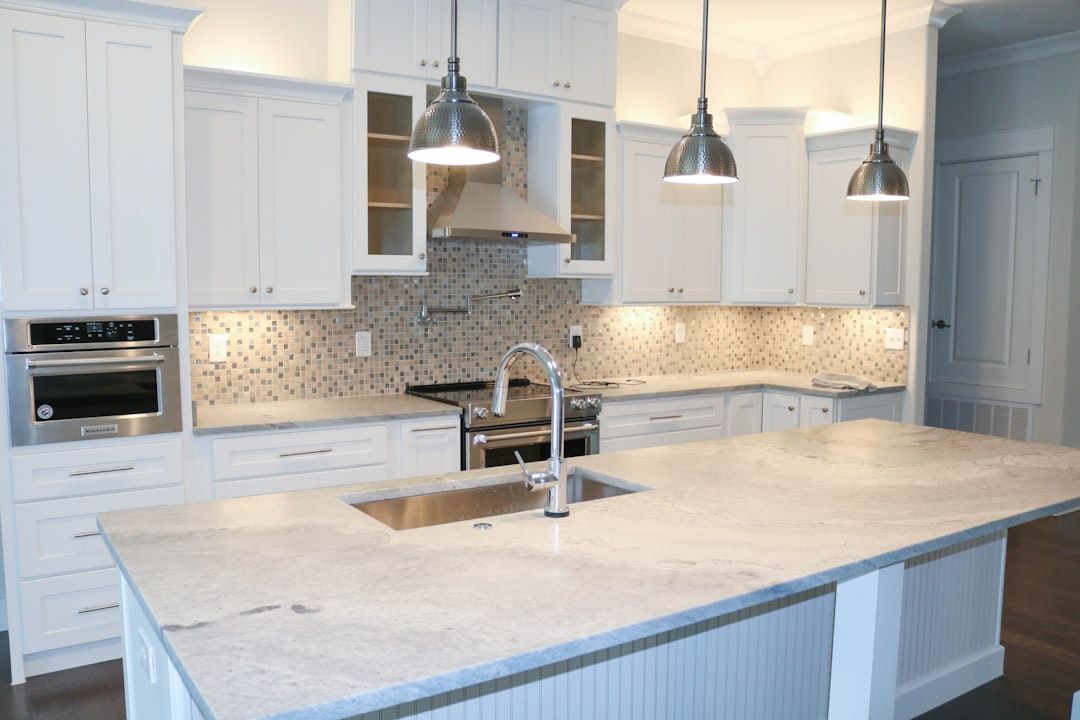
Granite and quartz are often pitted against each other in the countertop discussion. Granite, a natural stone, is renowned for its unique, earthy beauty and robust durability. Its patterns and color variations add a unique aesthetic appeal to each piece, giving your kitchen a one-of-a-kind look. However, it does require periodic sealing to protect against stains.
Quartz countertops, on the other hand, are engineered surfaces combining natural quartz with resins and pigments. This manufacturing process results in a highly durable surface that doesn't require sealing and resists scratches and stains. Additionally, quartz offers consistent patterns and colors, enabling a cohesive look throughout your kitchen.
Marble and Soapstone Options
Marble and soapstone countertops bring a refined elegance and timeless beauty to any kitchen. Marble is celebrated for its luxurious veining and classic look. However, it is porous and more susceptible to stains and scratches, requiring regular sealing and care.
Soapstone, although softer than other stone options, stands out with its heat resistance and dense surface, which is less likely to stain. Its smooth, matte finish adds a unique texture to kitchen designs. With age, soapstone may develop a rich patina, adding to its charm.
Laminate and Solid Surface Materials
For those seeking budget-friendly alternatives without sacrificing aesthetics, laminate and solid surface materials are appealing choices. Laminate countertops are known for their affordability and versatility in colors and patterns. Though not as durable as stone, advancements in technology have made them more resistant to impact and wear.
Solid surface materials like Corian offer a seamless look with the ability to integrate sinks directly into the countertop. They are non-porous, making them resistant to bacteria and easy to clean. Although susceptible to scratches, they can often be repaired by sanding out blemishes.
Wood, Concrete, and Alternative Surfaces
Wood and concrete countertops offer a unique, natural charm and are favored by those looking to introduce warmth or industrial elements into their kitchens. Wood countertops bring warmth and character, but they require regular sealing and maintenance to prevent damage from moisture and heat.
Concrete countertops offer a modern, industrial appeal and can be customized with pigments, textures, and embedded items. They are durable but may require sealing to prevent staining.
Alternative surfaces, such as recycled materials or glass, provide eco-friendly options that make a statement. These surfaces often use sustainable resources, aligning with environmentally conscious values.
Budgeting for the Best Kitchen Countertops
Understanding the financial aspect of selecting the ideal kitchen countertop is essential. Here, we explore costs associated with materials and installation, factoring in investment value and financial planning.
Material Costs vs. Installation Fees
Kitchen countertop costs can vary widely depending on the chosen material and the complexity of the installation. Natural stones like granite and marble can be more expensive, not only for the materials themselves but also for installation due to their weight and the need for professional handling.
Conversely, materials like laminate and solid surfaces are generally more affordable, both in terms of purchase and installation. When budgeting, it's vital to weigh the upfront costs alongside the aesthetic and functional benefits each material offers.
Long-Term Investment Value
The value of investing in quality countertops extends beyond the initial cost. Durable surfaces that maintain their beauty and function without frequent replacements contribute to your home's resale value. Higher-end materials, while costlier, often offer superior longevity and can be seen as a wise investment.
Materials like quartz and granite, due to their blend of durability, beauty, and low maintenance, often provide the best return on investment over time. Consider these aspects when planning your kitchen remodel.
Financing Options and Return on Investment
Financing your countertop project may be necessary, especially when opting for premium materials. Understanding available financing options can ease the financial burden. Look into home improvement loans or lines of credit that offer manageable payment terms.
The return on investment is not just monetary. A well-designed kitchen enhances your home life and can lead to increased satisfaction and better daily living conditions. Ensure you balance your desire for quality countertops with a feasible financing plan.
Design Trends in Kitchen Countertops
Staying abreast of design trends can help you choose a countertop that aligns with modern aesthetics and adds lasting value to your home. Here’s a look at popular trends in kitchen countertops:
Popular Color Palettes and Finishes
Neutral tones like white, grey, and beige remain popular, providing a timeless look that blends seamlessly with various styles. Bold colors and dramatic veining in materials like marble or quartz are gaining traction, offering visual interest and character.
Matte and honed finishes are trending, giving a softer, understated look compared to high-gloss finishes. These options offer subtle sophistication and a modern edge.
Edge Profiles and Backsplash Integration
Edge profiles can enhance the overall aesthetic of your countertops. From subtle, rounded edges to ornate, beveled designs, the choice of edge profile can significantly alter the style of your kitchen. Consider how the profile matches with your overall kitchen design.
Integrating your countertop material into the backsplash creates a unified look, enhancing visual cohesion. A matching backsplash in the same material or color palette as your countertop simplifies design choices and adds a polished finish to your kitchen.
Blending Countertops with Cabinetry and Flooring
Successful kitchen design harmonizes various elements, including countertops, cabinetry, and flooring. A well-coordinated color scheme and complementary materials create a cohesive look. Neutral countertops with bold or contrasting cabinetry can provide balance, while matching tones offer a unified appearance.
Consider textures as well, blending smooth surfaces with textured flooring or cabinets to add dimension and depth to your space.
Timeless vs. Contemporary Styles
When selecting your countertop style, the choice between a timeless or contemporary look is personal but crucial. Timeless styles, characterized by classic stones and neutral colors, offer longevity and broad appeal, which is beneficial for resale value.
In contrast, contemporary styles embrace modern trends, bold patterns, and unique materials, offering a personalized touch and setting your kitchen apart.
Maintenance and Care for Durable Countertops
Protecting your investment with proper care is vital to ensuring the longevity and aesthetic appeal of your countertops. Here’s how to manage the maintenance effectively.
Cleaning and Stain Prevention Tips
Consistent cleaning with gentle, non-abrasive products is key to maintaining your countertops. For natural stones, use pH-neutral cleaners to avoid damaging the surface. Wipe spills promptly to prevent stains, especially with porous materials like marble.
For more resilient surfaces like quartz, regular wiping with mild soap and water is sufficient, while harsher chemicals should be avoided to maintain its surface integrity.
Sealing and Surface Repairs
Natural stones like granite and marble require periodic sealing to protect against stains and moisture damage. Sealing fills the pores in the stone, reducing their vulnerability. Always follow manufacturer recommendations for sealing frequency.
In the event of surface damage, like scratches or chips, professional repairs can restore your countertop’s integrity. For solid surfaces, many scratches can be sanded out, offering easy maintenance.
Scratch Resistance and Wear Management
For scratch-prone materials, consider using cutting boards and trivets to prevent damage. Materials like quartz and granite boast high scratch resistance, but care should still be taken to protect them from extreme force or abrasive materials.
Understanding each material’s susceptibility to scratching helps you make informed decisions about daily activities and appropriate protective measures.
Installation Tips and Sustainable Countertop Options
When it comes to installing new countertops, understanding the process and exploring sustainable choices can enhance your kitchen both functionally and environmentally.
DIY vs. Professional Installation Considerations
While the DIY approach can save money, it is often best left to professionals, especially with heavy or complex materials like stone. Proper installation ensures the longevity and safety of your countertops. Professional installers have the skills and tools to handle intricate tasks, reducing the risk of costly mistakes.
For simpler, lightweight materials like laminate, DIY installation may be feasible with the right tools and preparation.
Eco-Friendly and Recycled Material Choices
For environmentally conscious homeowners, there are numerous eco-friendly countertop materials available. Options include recycled glass, paper composites like PaperStone, and sustainably sourced wood. These materials not only offer unique aesthetics but also minimize environmental impact.
Considering the lifecycle and sourcing of materials plays a role in reducing your kitchen’s ecological footprint while contributing to sustainable living practices.
Warranties, Certifications, and Environmental Standards
Before making a purchase, investigate available warranties and certifications that assure quality and sustainability. Look for products certified by organizations like GREENGUARD or those meeting LEED standards for environmental quality.
Understanding these certifications helps ensure you’re choosing countertops that meet high safety and environmental standards, securing your investment in both financial and ethical terms.
By considering these factors, you're well-prepared to choose the ideal kitchen countertops that will enhance both the beauty and functionality of your home. For more guidance and expertise in selecting and installing your kitchen countertops, or for professional assistance tailored to your unique needs, reach out to us here for a consultation. Whether you're redesigning a home or starting a new build, we're here to help you achieve your vision with style and precision.
Choosing the Best Kitchen Countertops: A Comprehensive Guide to Materials, Design, and Maintenance
Essential Factors for Choosing the Best Kitchen Countertops
When it comes to designing the heart of your home, selecting the right kitchen countertop is crucial. It's not just about aesthetics; factors like functionality and durability play a significant role as well. Here, we delve into the essential aspects you should consider when making this important decision.
Functionality and Workflow
One of the first considerations when choosing a kitchen countertop is how it will fit into your cooking and meal preparation routines. A countertop isn't just a flat surface; it's a workspace, a food prep area, and sometimes even a gathering spot. The functionality of your countertop should align with your daily activities. For avid cooks, ample space for chopping, mixing, and setting out ingredients is essential. Consider how you use your kitchen and choose a surface that complements your workflow.
For example, if you often bake or roll out dough, a smooth surface like marble might be appealing, while those who entertain frequently may value the durability and aesthetic appeal of granite or quartz. Always think about how the countertop will serve your daily needs and enhance the workflow in your kitchen.
Durability and Longevity
Choosing a kitchen countertop that offers durability and can stand the test of time is vital. Countertops endure constant use, from cutting and chopping to exposure to hot pots and pans. Materials like quartz and granite are well-known for their strength and longevity, making them popular choices for homeowners seeking a long-term investment.
Durable materials resist chips, scratches, and stains, maintaining their aesthetic appeal over the years. This not only enhances the beauty of your kitchen but also saves you money on repairs and replacements in the long run. Weighing the lifespan of each material is crucial in making a practical decision.
Maintenance Requirements
Different countertop materials require varying levels of care and maintenance. For those who prefer a low-maintenance kitchen, materials like quartz, which doesn't require sealing, can be advantageous. Unlike natural stones such as marble, which may require frequent sealing and careful cleaning to avoid staining, engineered surfaces offer ease of upkeep with excellent resistance to stains and scratches.
Understanding the maintenance requirements can save you effort over time and keep your countertop looking fresh and new. Always factor in the time and resources you are willing to invest in maintaining your kitchen surfaces when making a choice.
Space and Layout Constraints
Your kitchen's layout and available space significantly influence the type of countertop that will work best for you. Smaller kitchens might benefit from lighter materials and colors, which can create an illusion of space and openness. Conversely, more expansive kitchens have the flexibility to incorporate darker and bolder surfaces.
The layout of your kitchen also dictates the size and shape of your countertops. Custom-cut countertops might be necessary for uniquely shaped kitchens or for integrating specific design elements, like a breakfast bar or island. Always consider how your countertop choice will fit into the overall design and space available.
Comparing Top Kitchen Countertop Materials
The kitchen countertop market offers a plethora of material choices, each with distinctive benefits and aesthetics. Let's explore the characteristics, pros, and cons of some of the leading options available in today's market.
Granite and Quartz Countertops
Granite and quartz are often pitted against each other in the countertop discussion. Granite, a natural stone, is renowned for its unique, earthy beauty and robust durability. Its patterns and color variations add a unique aesthetic appeal to each piece, giving your kitchen a one-of-a-kind look. However, it does require periodic sealing to protect against stains.
Quartz countertops, on the other hand, are engineered surfaces combining natural quartz with resins and pigments. This manufacturing process results in a highly durable surface that doesn't require sealing and resists scratches and stains. Additionally, quartz offers consistent patterns and colors, enabling a cohesive look throughout your kitchen.
Marble and Soapstone Options
Marble and soapstone countertops bring a refined elegance and timeless beauty to any kitchen. Marble is celebrated for its luxurious veining and classic look. However, it is porous and more susceptible to stains and scratches, requiring regular sealing and care.
Soapstone, although softer than other stone options, stands out with its heat resistance and dense surface, which is less likely to stain. Its smooth, matte finish adds a unique texture to kitchen designs. With age, soapstone may develop a rich patina, adding to its charm.
Laminate and Solid Surface Materials
For those seeking budget-friendly alternatives without sacrificing aesthetics, laminate and solid surface materials are appealing choices. Laminate countertops are known for their affordability and versatility in colors and patterns. Though not as durable as stone, advancements in technology have made them more resistant to impact and wear.
Solid surface materials like Corian offer a seamless look with the ability to integrate sinks directly into the countertop. They are non-porous, making them resistant to bacteria and easy to clean. Although susceptible to scratches, they can often be repaired by sanding out blemishes.
Wood, Concrete, and Alternative Surfaces
Wood and concrete countertops offer a unique, natural charm and are favored by those looking to introduce warmth or industrial elements into their kitchens. Wood countertops bring warmth and character, but they require regular sealing and maintenance to prevent damage from moisture and heat.
Concrete countertops offer a modern, industrial appeal and can be customized with pigments, textures, and embedded items. They are durable but may require sealing to prevent staining.
Alternative surfaces, such as recycled materials or glass, provide eco-friendly options that make a statement. These surfaces often use sustainable resources, aligning with environmentally conscious values.
Budgeting for the Best Kitchen Countertops
Understanding the financial aspect of selecting the ideal kitchen countertop is essential. Here, we explore costs associated with materials and installation, factoring in investment value and financial planning.
Material Costs vs. Installation Fees
Kitchen countertop costs can vary widely depending on the chosen material and the complexity of the installation. Natural stones like granite and marble can be more expensive, not only for the materials themselves but also for installation due to their weight and the need for professional handling.
Conversely, materials like laminate and solid surfaces are generally more affordable, both in terms of purchase and installation. When budgeting, it's vital to weigh the upfront costs alongside the aesthetic and functional benefits each material offers.
Long-Term Investment Value
The value of investing in quality countertops extends beyond the initial cost. Durable surfaces that maintain their beauty and function without frequent replacements contribute to your home's resale value. Higher-end materials, while costlier, often offer superior longevity and can be seen as a wise investment.
Materials like quartz and granite, due to their blend of durability, beauty, and low maintenance, often provide the best return on investment over time. Consider these aspects when planning your kitchen remodel.
Financing Options and Return on Investment
Financing your countertop project may be necessary, especially when opting for premium materials. Understanding available financing options can ease the financial burden. Look into home improvement loans or lines of credit that offer manageable payment terms.
The return on investment is not just monetary. A well-designed kitchen enhances your home life and can lead to increased satisfaction and better daily living conditions. Ensure you balance your desire for quality countertops with a feasible financing plan.
Design Trends in Kitchen Countertops
Staying abreast of design trends can help you choose a countertop that aligns with modern aesthetics and adds lasting value to your home. Here’s a look at popular trends in kitchen countertops:
Popular Color Palettes and Finishes
Neutral tones like white, grey, and beige remain popular, providing a timeless look that blends seamlessly with various styles. Bold colors and dramatic veining in materials like marble or quartz are gaining traction, offering visual interest and character.
Matte and honed finishes are trending, giving a softer, understated look compared to high-gloss finishes. These options offer subtle sophistication and a modern edge.
Edge Profiles and Backsplash Integration
Edge profiles can enhance the overall aesthetic of your countertops. From subtle, rounded edges to ornate, beveled designs, the choice of edge profile can significantly alter the style of your kitchen. Consider how the profile matches with your overall kitchen design.
Integrating your countertop material into the backsplash creates a unified look, enhancing visual cohesion. A matching backsplash in the same material or color palette as your countertop simplifies design choices and adds a polished finish to your kitchen.
Blending Countertops with Cabinetry and Flooring
Successful kitchen design harmonizes various elements, including countertops, cabinetry, and flooring. A well-coordinated color scheme and complementary materials create a cohesive look. Neutral countertops with bold or contrasting cabinetry can provide balance, while matching tones offer a unified appearance.
Consider textures as well, blending smooth surfaces with textured flooring or cabinets to add dimension and depth to your space.
Timeless vs. Contemporary Styles
When selecting your countertop style, the choice between a timeless or contemporary look is personal but crucial. Timeless styles, characterized by classic stones and neutral colors, offer longevity and broad appeal, which is beneficial for resale value.
In contrast, contemporary styles embrace modern trends, bold patterns, and unique materials, offering a personalized touch and setting your kitchen apart.
Maintenance and Care for Durable Countertops
Protecting your investment with proper care is vital to ensuring the longevity and aesthetic appeal of your countertops. Here’s how to manage the maintenance effectively.
Cleaning and Stain Prevention Tips
Consistent cleaning with gentle, non-abrasive products is key to maintaining your countertops. For natural stones, use pH-neutral cleaners to avoid damaging the surface. Wipe spills promptly to prevent stains, especially with porous materials like marble.
For more resilient surfaces like quartz, regular wiping with mild soap and water is sufficient, while harsher chemicals should be avoided to maintain its surface integrity.
Sealing and Surface Repairs
Natural stones like granite and marble require periodic sealing to protect against stains and moisture damage. Sealing fills the pores in the stone, reducing their vulnerability. Always follow manufacturer recommendations for sealing frequency.
In the event of surface damage, like scratches or chips, professional repairs can restore your countertop’s integrity. For solid surfaces, many scratches can be sanded out, offering easy maintenance.
Scratch Resistance and Wear Management
For scratch-prone materials, consider using cutting boards and trivets to prevent damage. Materials like quartz and granite boast high scratch resistance, but care should still be taken to protect them from extreme force or abrasive materials.
Understanding each material’s susceptibility to scratching helps you make informed decisions about daily activities and appropriate protective measures.
Installation Tips and Sustainable Countertop Options
When it comes to installing new countertops, understanding the process and exploring sustainable choices can enhance your kitchen both functionally and environmentally.
DIY vs. Professional Installation Considerations
While the DIY approach can save money, it is often best left to professionals, especially with heavy or complex materials like stone. Proper installation ensures the longevity and safety of your countertops. Professional installers have the skills and tools to handle intricate tasks, reducing the risk of costly mistakes.
For simpler, lightweight materials like laminate, DIY installation may be feasible with the right tools and preparation.
Eco-Friendly and Recycled Material Choices
For environmentally conscious homeowners, there are numerous eco-friendly countertop materials available. Options include recycled glass, paper composites like PaperStone, and sustainably sourced wood. These materials not only offer unique aesthetics but also minimize environmental impact.
Considering the lifecycle and sourcing of materials plays a role in reducing your kitchen’s ecological footprint while contributing to sustainable living practices.
Warranties, Certifications, and Environmental Standards
Before making a purchase, investigate available warranties and certifications that assure quality and sustainability. Look for products certified by organizations like GREENGUARD or those meeting LEED standards for environmental quality.
Understanding these certifications helps ensure you’re choosing countertops that meet high safety and environmental standards, securing your investment in both financial and ethical terms.
By considering these factors, you're well-prepared to choose the ideal kitchen countertops that will enhance both the beauty and functionality of your home. For more guidance and expertise in selecting and installing your kitchen countertops, or for professional assistance tailored to your unique needs, reach out to us here for a consultation. Whether you're redesigning a home or starting a new build, we're here to help you achieve your vision with style and precision.
Expert Living Room Makeover Tips: Transform Your Space with Style and Budget-Savvy Strategies
Assess Your Living Room Space and Goals
Understanding your living room space and establishing goals for its use is a crucial first step toward creating a stylish and functional environment. Here’s how you can start:
Measure Room Dimensions and Layout
Before embarking on a living room makeover, taking accurate measurements of your room is essential. Measure the length, width, and height of the space, as well as the size and position of windows, doors, and other architectural elements. This data will help you understand what to work with, ensuring your furniture and decor fit perfectly. Consider using apps or online tools for precise measurements, making the process hassle-free.
Identify Key Focal Points
Every living room benefits from having one or more focal points. These are areas or elements that naturally draw the eye, such as a fireplace, large window with a stunning view, or a piece of artwork. Identifying these can guide your design choices, such as where to place furniture or how to arrange lighting to accentuate these features. Think about how these focal points can enhance the overall aesthetic and functionality of your room.
Define Style Preferences, Functionality, and Budget
Your living room should reflect your personal style while providing maximum functionality. Do you prefer a minimalist, modern look, or are you drawn to a more traditional or eclectic style? Equally important is defining how you intend to use the space—entertaining guests, a cozy family area, or perhaps a hybrid home office. Lastly, establish a realistic budget. Itemize potential expenses and prioritize where to invest most of your resources, such as high-quality seating or durable flooring.
Select an Inspiring Color Palette for Your Living Room
The colors you choose for your living room can significantly impact mood and perception. Here’s how to select a palette that inspires and complements your space:
Apply Proven Color Theory Principles
Implementing basic color theory principles can take your living room design to the next level. Understanding the color wheel, and the relationships between different hues, can help you create a balanced color scheme. For instance, complementary colors (opposite each other on the color wheel) can create vibrant contrast, while analogous colors (next to each other) offer a more harmonious look. Consider the psychological effects of colors; blues and greens can be calming, while reds and yellows may energize the space.
Explore Trending Paint Finishes and Techniques
Beyond color choice, the paint finish can affect the room's ambiance. Matte finishes offer a sophisticated, smooth look, while high-gloss finishes provide a more luxurious feel with added light reflection. Techniques like ombre or textured wall finishes can add depth and interest. Stay updated with current trends to ensure your living room feels modern and fresh, potentially increasing its appeal for resale in the future.
Create Accent Walls for Visual Impact
Accent walls are a powerful tool to introduce color without overwhelming a room. Choose a wall that naturally draws attention and paint it a bold color or cover it with striking wallpaper. This technique can anchor a room’s design and be an excellent backdrop for showcasing artwork or furniture. Consider pairing it with appropriate lighting to enhance its impact.
Optimize Furniture Selection and Layout for a Living Room Makeover
Choosing the right furniture and arranging it effectively can transform your living room into a functional and inviting space.
Choose Space-Saving and Multi-Functional Pieces
With the growing need for flexibility in living spaces, consider furniture pieces that offer multiple uses. A sofa bed or a coffee table with storage compartments can maximize utility in smaller rooms. Look for modular furniture that can be reconfigured as needed, allowing you to adapt the space for different occasions, whether it's a family movie night or a formal gathering.
Arrange Furniture for Flow and Conversation
The arrangement of furniture should promote easy movement and conversation. Aim for a layout that encourages interaction by placing seating pieces, like sofas and chairs, in a face-to-face arrangement. Ensure there is enough space between pieces for easy navigation and that your focal points are visible and accessible. This approach helps maintain a sense of openness and accessibility in the room.
Incorporate Statement Furniture and Storage Solutions
Investing in a few statement pieces can elevate the style of your living room. This could be an eye-catching sofa, an artistically designed bookshelf, or a vintage armchair. These pieces serve as conversation starters and provide a focal point around which the rest of your decor can be centered. Integrate smart storage solutions—built-in shelving, storage ottomans, or under-sofa drawers—to keep the space uncluttered and visually appealing.
Enhance Living Room Ambiance with Layered Lighting Design
Lighting plays a crucial role in establishing the mood and functionality of any living area. Consider these strategies:
Maximize Natural Light Sources
Whenever possible, make full use of natural light. Opt for lighter window treatments to allow sunlight to filter through, creating a warm, inviting atmosphere. Mirrors strategically placed opposite windows can magnify natural light, making the room feel more expansive and vibrant.
Implement Ambient, Task, and Accent Lighting
Layered lighting involves using multiple sources to serve different purposes. Ambient lighting provides the overall illumination, which might include ceiling fixtures or recessed lighting. Task lighting includes table lamps or floor lamps that offer focused light for activities like reading. Accent lighting highlights particular features such as a piece of art or an architectural detail, enhancing depth and dimensions.
Integrate Smart Lighting Controls
Smart lighting systems allow you to control the brightness, color, and schedule of your lights through apps or voice commands, offering customizable ambiance at the touch of a button. These systems can also contribute to energy savings by allowing for precise control over lighting conditions based on room usage and natural lighting.
Add Finishing Touches: Living Room Decor, Textiles, and Artwork
The finishing touches are what truly personalize your living room, turning it from a mere functional area into a reflection of your personality.
Select Rugs, Pillows, and Window Treatments
Rugs can define different areas within your living room and add texture and warmth. Choose rugs that complement your color scheme and furniture. Pillows and window treatments are versatile decor elements that can be easily updated for a fresh look.
Curate Wall Art and Decorative Accents
Wall art is an excellent way to inject personality and style into your living room. Consider a mix of pieces, such as paintings, prints, or framed photographs, to create visual interest and conversation points. Sculptures or decorative objects can add dimension to shelves and tabletops, weaving a consistent theme throughout the space.
Introduce Plants and Greenery for a Fresh Look
Plants bring a touch of nature indoors, enhancing the aesthetics while improving indoor air quality. Choose low-maintenance options if you aren’t an avid gardener, such as succulents, snake plants, or ferns. Use stylish planters to display them throughout the room, adding layers of greenery to your decor.
Balance Patterns and Textures for Cohesion
Mixing patterns and textures can add layers of interest to your decor. Ensure there’s a cohesive blend by sticking to a similar color palette or theme. For instance, pair a plush velvet sofa with a textured knit throw or combine different geometric patterns in your rugs, pillows, and curtains for harmony.
Execute Budget-Friendly Living Room Makeover Strategies
Redesigning your living room doesn’t have to be a costly affair if you plan carefully and tap into below strategies:
DIY Projects and Creative Upcycling Ideas
Draw inspiration from DIY projects, which can be both economical and rewarding. Upcycle old furniture by repainting or reupholstering to give them new life. Create custom wall art or build simple shelving, infusing your own style and saving money.
Shop Sales, Thrift Stores, and Outlet Deals
Budget-conscious shoppers can find treasures in thrift stores, estate sales, and furniture outlets. These spots often hold unique pieces at a fraction of the cost. Patience and timing are key—waiting for sales or visiting these stores regularly can yield fantastic finds.
Prioritize High-Impact, Low-Cost Upgrades
Focus on upgrades that offer the greatest visual impact for the smallest outlay. Paint is one of the most cost-effective ways to refresh a space. Switching out old light fixtures or adding new throw pillows can also significantly impact the overall look without breaking the bank.
Creating a living room that reflects your style and functionality doesn’t have to be daunting or expensive. Through thoughtful consideration of your space and preferences, along with smart budget strategies, you can craft a warm, inviting living area that serves as a true sanctuary for you and your guests.
For all your web design needs that transcend the ordinary, look no further and partner with an experienced team that brings your digital vision to life. Discover our services and see how we can elevate your digital presence. Let's create something exceptional together! Feel free to contact us for more information and a personalized consultation.
LA home addition costs: $250-$650/sqft guide for 2026
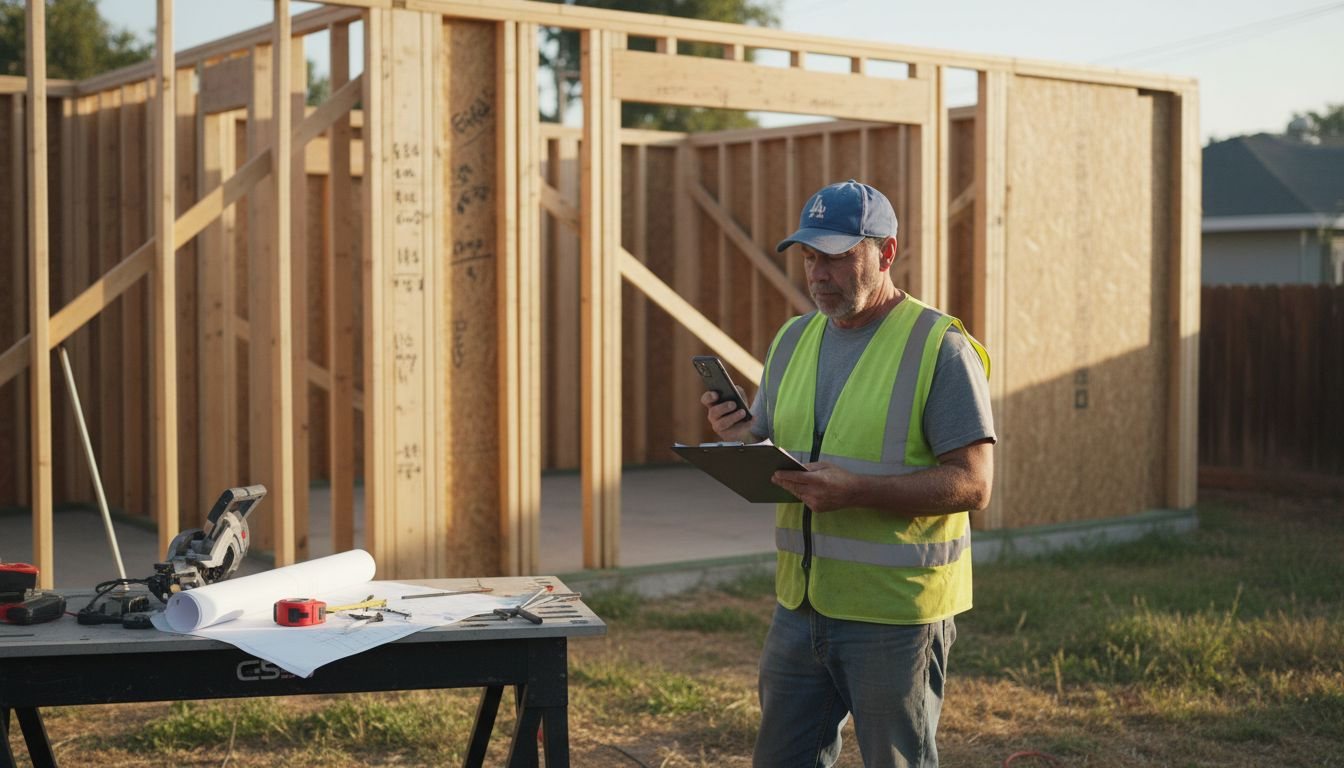
Planning a home addition in Los Angeles means navigating costs that range from $250 to over $600 per square foot, complex permitting rules, and seismic requirements unique to the region. Many homeowners struggle to choose between second-story builds, ADUs, room expansions, or garage conversions without clear guidance on costs, regulatory hurdles, and long-term value. This guide breaks down each addition type with transparent data on pricing, permits, and practical selection criteria, empowering you to confidently plan an expansion that fits your space, budget, and lifestyle goals.LA Home Addition Costs
Table of Contents
- How To Choose The Right Home Addition: Key Selection Criteria
- Popular Types Of Home Additions In Los Angeles
- Cost Comparison And Key Differentiators Of Home Addition Types
- Permit, Regulatory, And Structural Considerations In Los Angeles
- Making The Best Choice: Situational Recommendations For Los Angeles Homeowners
- Explore Expert Home Remodeling Services In Los Angeles
- Frequently Asked Questions About Home Additions In Los Angeles
Key takeaways
| Point | Details |
|---|---|
| Addition costs vary dramatically | Prices span $250 to $650+ per square foot in LA depending on complexity and structural needs. |
| Permitting is costly and complex | Expect $3,000 to $10,000+ in permit fees plus mandatory seismic and zoning compliance. |
| Second-story and ADUs maximize value | These options deliver the highest return on small lots but require larger budgets. |
| Contractor expertise matters | Transparent pricing and local code knowledge prevent costly delays and ensure quality. |
| Match addition to your goals | Choose based on lot size, intended use, budget, and long-term property value plans. |
How to choose the right home addition: key selection criteria
Selecting the right home addition starts with a clear evaluation framework tailored to Los Angeles realities. Begin by analyzing cost per square foot against your total budget and intended use. A second-story addition may run $400 to $650 per square foot, while a simple room addition might cost $250 to $350, so aligning expense with value is critical.
Research local permitting and zoning requirements early in your planning process. Los Angeles imposes strict building codes, seismic retrofitting mandates, and neighborhood-specific restrictions that can derail projects or inflate costs unexpectedly. Understanding these constraints upfront helps you choose feasible options and avoid surprises.
Define your intended use and future value goals to prioritize the right addition type. Are you seeking rental income from an ADU, extra bedrooms for a growing family, or a kitchen expansion to boost resale appeal? Each goal points toward different solutions with varying ROI potential.
Consider structural feasibility based on your lot size, soil conditions, and existing foundation. Small urban lots often favor vertical second-story builds, while larger properties may accommodate sprawling single-level expansions or detached ADUs. Engage contractors who evaluate site constraints honestly before committing to plans.
Select contractors who provide transparent pricing and high-quality craftsmanship. Look for detailed estimates that itemize materials, labor, permits, and contingencies. Experienced home remodeling in Los Angeles professionals should explain code requirements clearly and offer references from similar projects in your neighborhood.
Pro Tip: Request itemized bids that separate base construction costs from permit fees, seismic upgrades, and finish materials. This transparency helps you adjust scope without sacrificing quality if budget constraints arise mid-project.
Popular types of home additions in Los Angeles
Los Angeles homeowners typically consider several main addition types, each suited to different needs and lot characteristics. Understanding these options helps you match solutions to your lifestyle and property constraints.
- Second-story additions maximize usable space on small urban lots by building upward instead of outward. These additions create entire new living levels without sacrificing yard space, making them ideal for dense neighborhoods where setback rules limit ground-level expansion. Expect higher costs due to foundation reinforcement and structural engineering.
- Accessory Dwelling Units (ADUs) create independent living spaces perfect for rental income, multigenerational housing, or home offices. California’s streamlined ADU laws make these units easier to permit than traditional additions, though they still require separate utility hookups and code compliance. ADUs deliver strong ROI through rental potential or increased property value.
- Room and bathroom additions expand core functional areas affordably by extending your existing footprint. Adding a bedroom, bathroom, or family room typically costs less than complex second-story builds because they use existing foundation systems and simpler structural connections. These additions suit homeowners seeking straightforward space increases without major architectural changes.
- Kitchen expansions enhance your home’s main living hub and dramatically improve resale value. Opening walls to create open-concept layouts or extending kitchen footprints into adjacent spaces ranks among the most popular remodels in LA. These projects often combine structural work with high-end finishes, driving costs higher than basic room additions.
- Garage conversions and sunrooms adapt existing structures to new uses at lower costs than ground-up construction. Sunrooms fit LA’s indoor-outdoor lifestyle by offering natural-light-filled transition spaces between home and yard. Garage conversions create livable square footage quickly, though you sacrifice parking and storage.
Cost comparison and key differentiators of home addition types
Understanding cost ranges from $250 to $650+ per square foot depending on addition complexity helps you budget realistically and compare options effectively. The table below breaks down typical costs for major addition types in Los Angeles.
| Addition Type | Cost Per Sq Ft | Total Cost Range | Key Differentiators |
|---|---|---|---|
| Second-story addition | $400-$650 | $120,000-$300,000+ | Requires foundation/seismic upgrades; maximizes small lots; highest complexity |
| ADU (new construction) | $350-$550 | $100,000-$250,000 | Independent utilities; rental income potential; streamlined permits |
| Bedroom addition | $250-$400 | $50,000-$120,000 | Extends existing footprint; moderate complexity; strong family value |
| Bathroom addition | $300-$500 | $40,000-$100,000 | Plumbing/electrical intensive; high resale ROI; moisture-proofing critical |
| Kitchen expansion | $350-$600 | $80,000-$200,000+ | High-end finishes; structural walls often involved; lifestyle/resale impact |
| Garage conversion | $150-$300 | $30,000-$75,000 | Lowest cost; uses existing structure; minimal permits; loses parking |
| Sunroom/porch enclosure | $200-$400 | $40,000-$100,000 | Natural light focus; simpler structure; suits climate; lifestyle enhancement |
Second-story additions and kitchen expansions rank among the most expensive because they demand extensive structural work, foundation reinforcement, and seismic upgrades mandated by LA building codes. These projects also require architect involvement and complex engineering calculations, adding professional fees to base construction costs.
Bedroom and room additions offer lower per-square-foot costs with strong value returns. By extending your existing footprint horizontally, these additions avoid the foundation and structural complexity of vertical builds, though they still require permits, utility extensions, and exterior finish matching.
Permit and structural upgrades add significantly to total costs. Budget $3,000 to $10,000+ for permits alone, plus potential seismic retrofitting expenses ranging from $5,000 to $30,000 depending on your home’s age and existing foundation type. These regulatory costs apply regardless of addition size.
Build-up versus build-out decisions hinge on lot constraints and budget. Second-story additions preserve yard space but cost 30% to 50% more than equivalent ground-level expansions due to engineering requirements. However, if setback rules or lot coverage limits prevent outward expansion, building up becomes the only viable path.
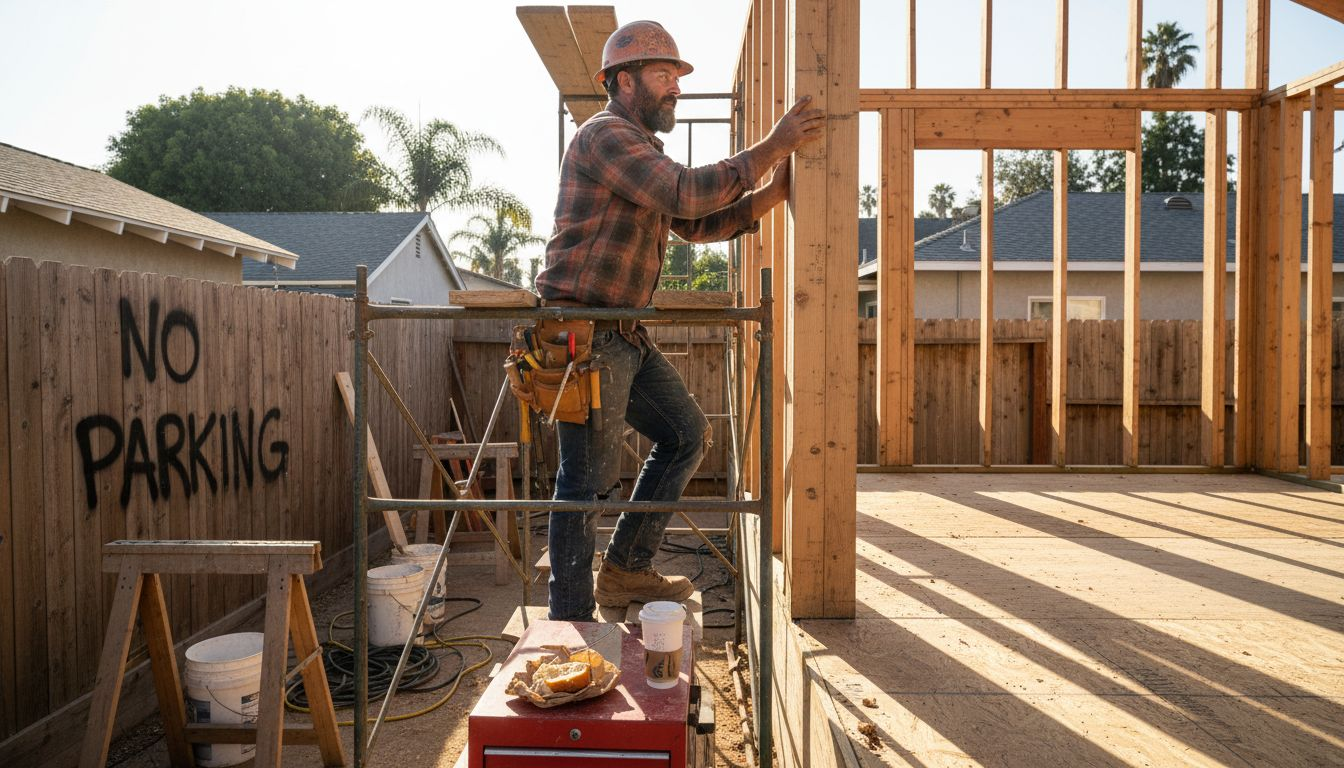
Pro Tip: Always request separate line items for permits, seismic work, and temporary support structures in contractor estimates. These costs can represent 15% to 25% of total project expense and vary dramatically based on your home’s specific conditions and remodeling services in Los Angeles provider expertise.
Permit, regulatory, and structural considerations in Los Angeles
Navigating Los Angeles permitting, seismic, and zoning rules represents one of the biggest challenges in home addition projects. Understanding these requirements upfront prevents costly delays and ensures code compliance throughout construction.
- Permit fees and inspection processes can be complex and expensive. Permitting fees typically range from $3,000 to over $10,000 depending on project scope, with second-story additions and ADUs at the higher end. The city requires multiple plan checks, corrections, and site inspections at various construction stages, extending timelines by weeks or months.
- Seismic retrofitting and load-bearing upgrades are often mandatory for additions in Los Angeles due to earthquake risk. Older homes lacking modern foundation anchoring or cripple wall bracing must undergo retrofitting before adding significant weight or square footage. These upgrades protect your investment but add $5,000 to $30,000+ to project costs.
- Zoning laws restrict certain additions based on lot size, setback requirements, and neighborhood overlays. Your property’s R1, R2, or other zoning designation dictates maximum lot coverage, building height, and setback distances from property lines. Some historic or hillside neighborhoods impose additional design review requirements that lengthen approval processes.
- Experienced contractors help navigate regulatory hurdles by maintaining relationships with city plan checkers, understanding local code interpretations, and submitting complete, compliant plans the first time. Working with licensed professionals familiar with LA Department of Building and Safety procedures saves months of back-and-forth corrections.
- Proper compliance avoids costly delays and fines. Building without permits or deviating from approved plans can trigger stop-work orders, daily fines, and mandatory tear-down of non-compliant construction. Homes with unpermitted work also face challenges during future sales, as buyers and lenders require verification of legal additions.
Making the best choice: situational recommendations for Los Angeles homeowners
Applying all previous insights to your specific situation helps you select the addition type that delivers maximum value for your goals, property, and budget. Consider these practical scenarios common among LA homeowners.
Second-story additions suit homeowners on small lots requiring maximum space without sacrificing yard area. If your property sits in a dense urban neighborhood where setback rules prevent outward expansion, building up becomes the logical choice despite higher costs. Families needing multiple bedrooms or homeowners seeking dramatic square footage gains benefit most from this option.
ADUs work best for those seeking rental income, multigenerational living arrangements, or home office separation. If you have adequate yard space and want to generate passive income while building equity, an ADU offers strong ROI potential. California’s favorable ADU laws also streamline permitting compared to traditional additions, making them attractive despite substantial upfront costs.
Room additions provide straightforward, budget-conscious expansion for homeowners who need specific functional spaces like an extra bedroom, home office, or family room. If your lot allows outward building and you want to avoid the complexity and expense of second-story construction, a simple room addition delivers practical value at moderate cost.
Garage conversions offer cost-effective extra livable space when you’re willing to sacrifice parking and storage. Homeowners in walkable neighborhoods with street parking options can repurpose existing garage structures into bedrooms, offices, or entertainment spaces at half the cost of new construction, though resale impact varies by neighborhood.
Sunrooms and outdoor spaces enhance lifestyle and natural light for those prioritizing indoor-outdoor living over raw square footage. If you love LA’s climate and want transitional spaces that blur the line between inside and outside, sunroom additions deliver unique value that traditional rooms can’t match. These lighter structures also face fewer permit hurdles than full additions.
Ultimately, the best choice balances your immediate needs, long-term property plans, budget constraints, and lot characteristics. Consult with licensed home remodeling experts in Los Angeles who can assess your specific property and goals before committing to a direction.
Explore expert home remodeling services in Los Angeles
Turning your home addition vision into reality requires partnering with contractors who deliver transparent pricing and exceptional craftsmanship. After understanding addition types, costs, and regulations, your next step involves engaging professionals who navigate LA’s complex building environment confidently.
Trusted contractors provide clear cost estimates that itemize all expenses including permits, structural upgrades, materials, and labor. This transparency lets you make informed decisions and adjust scope without hidden surprises mid-project. Experienced teams ensure full compliance with Los Angeles building codes, seismic requirements, and zoning restrictions, protecting your investment from costly violations or delays.
High-quality craftsmanship delivers lasting value and satisfaction that exceeds basic code compliance. Professional builders use proven techniques, premium materials, and skilled trades to create additions that seamlessly integrate with your existing home while standing up to decades of use.
Flat Rate Remodeling Inc offers reliable, comprehensive professional home remodeling services in Los Angeles backed by over 25 years of experience. Their flat-rate pricing model eliminates guesswork, while their proven track record in ADUs, room additions, second-story builds, and full home renovations gives you confidence throughout your project journey.
Frequently asked questions about home additions in Los Angeles
How much does a typical home addition cost per square foot in Los Angeles?
Home addition costs range from $250 to over $650 per square foot depending on addition type and complexity. Simple room additions fall at the lower end, while second-story builds and kitchen expansions with high-end finishes reach the upper range. Always request itemized estimates that separate construction, permits, and structural upgrades for accurate budgeting.
What Los Angeles permits are required for building a second-story addition?
Second-story additions require multiple permits including building, seismic, and zoning approvals, with fees often between $3,000 and $10,000+ in Los Angeles. You’ll also need plan checks, structural engineering stamps, and multiple inspections throughout construction. Experienced contractors handle permit applications and coordinate inspections to keep projects on schedule.
How do I choose a contractor for a home addition in Los Angeles?
Prioritize licensed contractors with proven experience navigating LA building codes and seismic requirements. Require detailed, transparent cost estimates that itemize permits, structural work, materials, and labor separately. Check references from similar projects in your neighborhood, verify license status with the Contractors State License Board, and review online ratings for craftsmanship quality and communication.
How long does a typical home addition project take in Los Angeles?
Most home additions take four to nine months from design through final inspection, depending on complexity and permit approval speed. Simple room additions may complete in three to five months, while second-story builds or ADUs often require six to twelve months. Permitting alone can consume two to four months, so start planning well ahead of your target completion date.
Do home additions require seismic retrofitting of my entire house?
Not always, but Los Angeles often mandates seismic upgrades to existing foundations when adding significant weight or square footage. Older homes lacking modern foundation bolting or cripple wall bracing typically need retrofitting before addition work begins. A structural engineer evaluates your specific home during the design phase and recommends necessary upgrades to meet current code.
What’s the return on investment for different addition types in Los Angeles?
Kitchen and bathroom additions typically return 60% to 80% of costs at resale, while bedroom additions recover 50% to 70%. ADUs offer strong ROI through rental income potential, often generating $2,000 to $3,500 monthly rent in desirable LA neighborhoods. Second-story additions provide moderate resale returns but dramatically improve livability, making them worthwhile for long-term homeowners prioritizing function over immediate financial gain.