
Premium Home Renovations in LA: Trends, Costs & Expert Contractors
Understanding Premium Renovation Services in LA
Los Angeles is a hub of luxury living, and its homes are known for their style and opulence. If you’re considering a high-end renovation in this vibrant city, it’s crucial to understand what premium renovation services entail and what they can offer to elevate your living space.
Defining Premium Renovation Services
Premium renovation services involve top-tier upgrades focusing on craftsmanship, quality, and unique design features. Unlike basic renovations, premium services cater to homeowners who prioritize exceptional quality and bespoke solutions tailored to their specific needs. These services typically include engaging with skilled professionals capable of translating a homeowner’s vision into reality with an emphasis on high-quality materials and refined details.
Key Features and Benefits of Luxury Upgrades
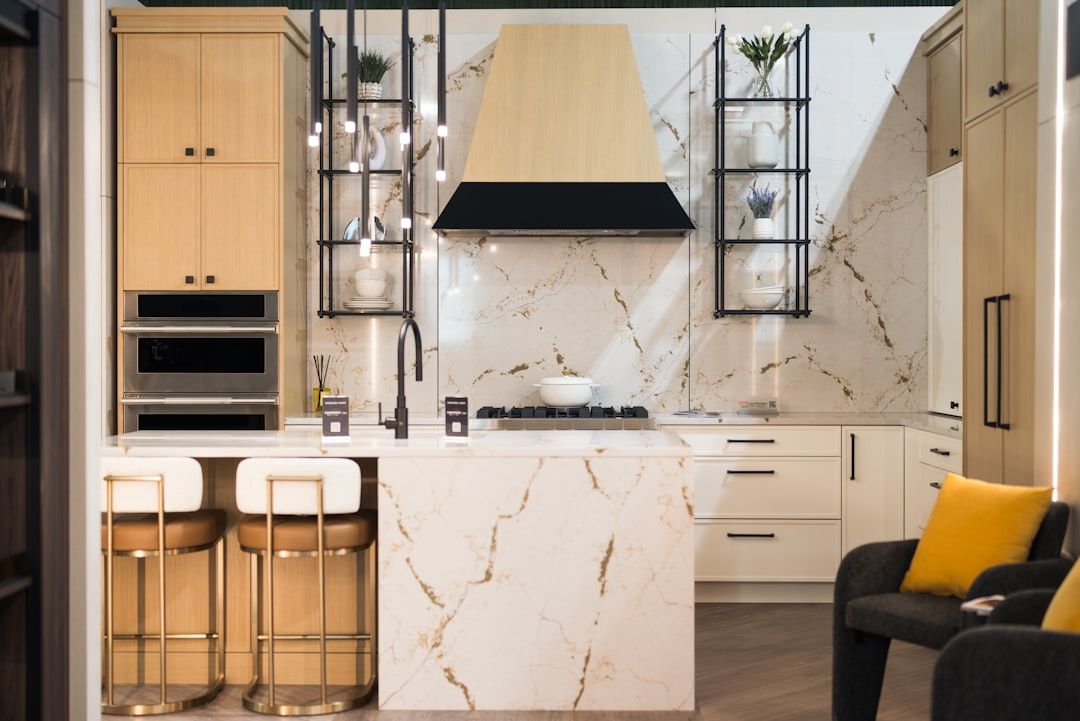
Luxury upgrades promise more than just aesthetic appeal. These enhancements often lead to increased property value, improved functionality, and a spectacular living experience. Features might include high-end materials like marble, custom woodwork, or imported fixtures that not only enhance beauty but also provide durability and elegance. An example is a kitchen featuring smart appliances paired with custom cabinetry, offering both style and seamless operation. The benefits often extend to energy efficiency and smart technology integration, creating a home that’s both sophisticated and sustainable.
Specialized Needs of Los Angeles Homes
Homes in Los Angeles often require specialized knowledge due to architectural styles and specific environmental concerns. Whether you’re dealing with a historic bungalow in Hollywood or a modern mansion in Beverly Hills, understanding these nuances is crucial. Elevating a home in this region might involve earthquake-resistant retrofitting or the integration of drought-resistant landscaping and energy-efficient systems that adhere to California’s eco-friendly standards.
Navigating Local Building Codes and Permits
In Los Angeles, adhering to local building codes and obtaining the necessary permits is essential. The city has strict regulations to ensure safety and architectural harmony, and failing to comply can lead to costly delays or fines. Utilizing a renovation service with local expertise ensures that you meet municipal requirements efficiently. An example is remodeling a hillside property, which requires specific permits due to the challenging terrain and environmental considerations.
Popular Renovation Trends in Los Angeles Luxury Homes
Los Angeles is a trendsetter, and its homes reflect evolving tastes and innovations in design. Understanding current trends can offer inspiration and help homeowners decide on the best upgrades for their spaces.
High-End Kitchen and Chef-Style Designs
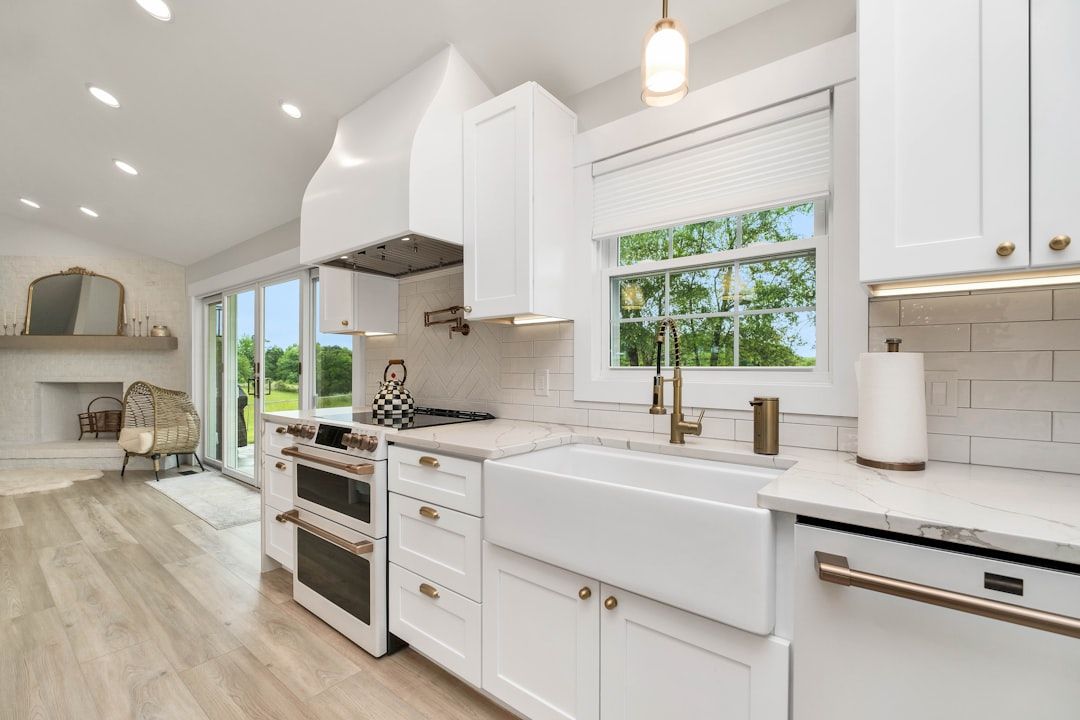
A kitchen in a luxury Los Angeles home is more than a cooking space; it’s often a centerpiece for entertainment and family gatherings. The trend leans towards chef-style kitchens featuring open layouts, professional-grade appliances, and custom storage solutions. Materials like quartz countertops and sustainable wood cabinetry are common, providing functionality with a touch of modernity.
Spa-Like Bathroom Remodels and Fixtures
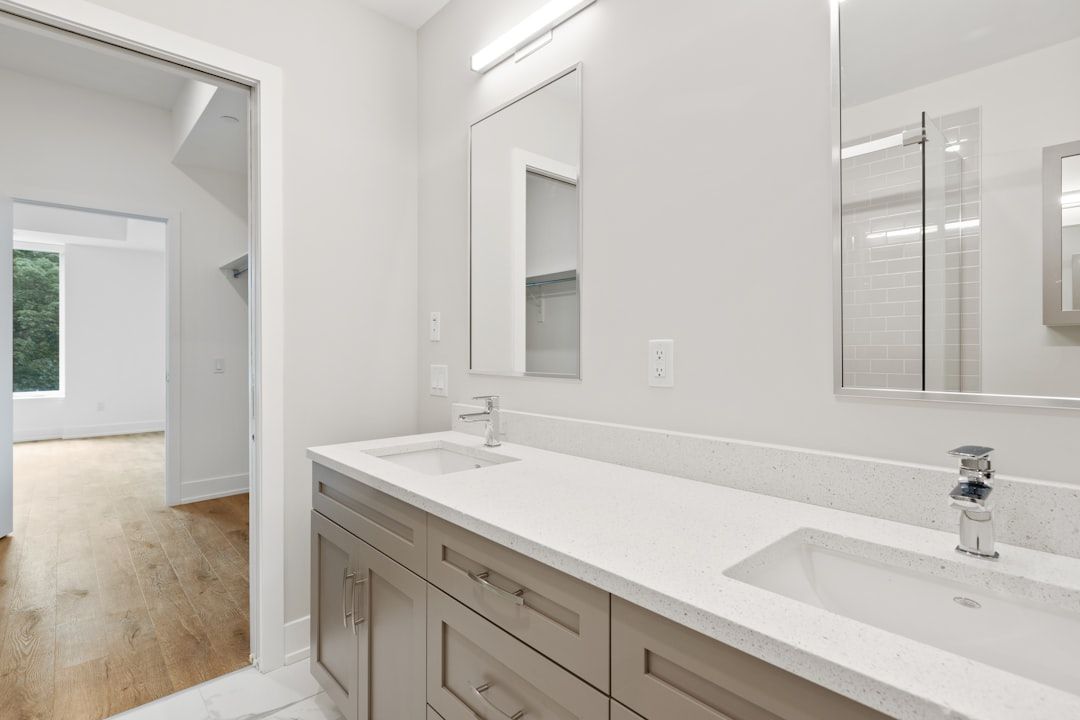
Bathrooms in high-end Los Angeles homes often mimic luxury spas, offering a retreat-like experience. Features might include rainfall showers, freestanding bathtubs, and digital temperature controls. Incorporating natural elements such as stone and wood can create a serene environment, enhancing relaxation and peace.
Smart Home and Automation Integration
In a city like Los Angeles, where technology and media thrive, integrating smart home systems is a standard. From automated lighting and security systems to voice-controlled assistants, these features not only offer convenience but can also enhance home security and energy efficiency. Smart homes can be customized to each resident’s lifestyle, offering a seamless blend of comfort and innovation.
Sustainable and Eco-Friendly Materials
As environmental consciousness grows, the demand for sustainable materials has risen. Recycled metals, reclaimed wood, and energy-efficient solutions not only adhere to eco-friendly standards but also offer a unique style. Partnerships with local suppliers who prioritize sustainability can significantly reduce environmental impact and support the community.
Choosing the Right Premium Renovation Contractor in LA
Selecting the right contractor is vital to achieving your renovation goals. An ideal contractor will understand the luxury market in Los Angeles and have the expertise to deliver on your vision.
Checking Credentials and Industry Certifications
Look for contractors with the necessary licenses and certifications that demonstrate their professionalism and adherence to industry standards. Certifications from reputable organizations signify a commitment to quality and safety, providing peace of mind as you embark on your renovation journey.
Reviewing Portfolios and Client Testimonials
Examining past projects can offer insights into a contractor’s capabilities and style. A comprehensive portfolio should display varied projects that reflect creativity and attention to detail. In addition, client testimonials and references provide firsthand accounts of a contractor’s professionalism, reliability, and ability to deliver satisfactory results.
Transparent Pricing Models and Contracts
Clear communication about pricing is crucial. Transparent pricing models and detailed contracts help avoid unexpected costs and misunderstandings. Understanding how the contractor structures their pricing, whether it’s fixed, hourly, or cost-plus, is essential for budgeting and financial planning.
Effective Project Management and Communication
A successful renovation relies heavily on effective project management and consistent communication. Contractors who offer regular updates and maintain open lines of communication ensure that the project progresses smoothly and any issues are promptly addressed. This collaborative approach can significantly enhance the renovation experience.
Step-by-Step Premium Renovation Process
Embarking on a premium renovation involves a well-structured process to ensure each phase is meticulously executed to meet high standards.
Initial Consultation and Design Development
The journey begins with an initial consultation, where you discuss your vision, goals, and budget. This phase is crucial for setting expectations and establishing a roadmap that aligns with your aspirations. During design development, architects and designers translate these ideas into plans, sketches, and 3D models to visualize the final result.
Material Selection and Sourcing Strategies
Choosing the right materials is pivotal to achieving the desired aesthetic and functionality. Partnering with suppliers who offer a range of high-quality materials ensures that every element of your renovation meets the luxury standards you seek. Effective sourcing strategies might involve custom-made options or collaborating with local artisans to create unique touches.
Construction Phases and Quality Control
The construction phase is where the vision comes to life. Throughout this phase, maintaining high quality is paramount. Regular site visits and quality checks by the contractor guarantee adherence to design specifications and industry standards. By monitoring each stage of construction, you can ensure that the finished product aligns perfectly with the initial plan.
Final Walkthrough and Post-Completion Support
Upon completion, a final walkthrough is conducted to review all aspects of the renovation. This is the time to address any minor adjustments or touch-ups needed. Additionally, an exceptional contractor will provide post-completion support, offering maintenance advice and addressing any future concerns to ensure long-term satisfaction.
Budgeting and Cost Considerations for Luxury Renovations
Investing in a luxury renovation is significant, and understanding the associated costs can help you manage your budget effectively.
Detailed Cost Breakdown for High-End Projects
Luxury renovations involve expenses that vary widely depending on the scope and complexity. Costs typically include design fees, materials, labor, and permit fees. Providing a detailed breakdown allows for better budget management and helps in making informed decisions regarding where to allocate funds for maximum impact.
Investment Value vs. Return on Investment
While luxury renovations demand substantial investment, they can also offer impressive returns. High-end features increase property value, attracting potential buyers or tenants and ultimately enhancing financial returns. Understanding the correlation between initial investment and potential ROI is crucial for maximizing the financial benefits.
Financing and Payment Options in Los Angeles
Los Angeles offers various financing options to support renovation projects, including home equity loans, lines of credit, and refinancing. Exploring these options helps balance upfront costs with long-term affordability. Discussing payment plans with your contractor can also provide flexibility in managing the financial aspect of your renovation.
Tips to Prevent Hidden Renovation Expenses
Avoiding unexpected costs is crucial in managing a renovation budget. This can be achieved through detailed contracts, contingency planning, and selecting reputable contractors renowned for transparency. Consider potential pitfalls like structural issues or unforeseen permit requirements, and plan accordingly to minimize surprises.
Maintaining and Enhancing Your Renovated LA Home
Post-renovation, ensuring your home remains in prime condition requires diligent maintenance and consideration of potential future enhancements.
Establishing Regular Maintenance Schedules
Regular maintenance preserves the quality and longevity of your renovation. Establishing a maintenance schedule covering routine tasks like cleaning, inspecting, and servicing appliances sustains your home’s appearance and functionality.
Seasonal Care for Southern California Climate
LA’s climate presents unique challenges, such as intense sun and occasional earthquakes, that impact home maintenance needs. Adapting your care routine to account for these factors – such as UV-protection measures and seismic assessments – ensures your home stands the test of time.
Future Upgrades and Trends to Consider
Keeping an eye on evolving trends in luxury home design allows you to plan future upgrades that maintain your home’s modernity and value. Technologies like advanced home automation and sustainable innovations are continually evolving, offering endless possibilities for future enhancements.
Strategies for Maximizing Property Value
Regular appraisals, strategic remodeling, and maintaining curb appeal contribute significantly to maximizing property value. Incorporating these strategies ensures your investment continues to appreciate, securing your home as not only a place of luxury but also a wise financial decision.
In conclusion, embracing luxury renovations in Los Angeles is both an art and a science. By understanding the dynamics involved and selecting the right professionals, you can transform your home into a masterpiece of style and function. For more insights and professional guidance, explore the services offered by WebConcepts to ensure your renovation dreams become reality. Connect with us today to embark on your next exciting project!
How to Plan Your Home Renovation Budget: Essential Tips for Financial Management?
Understanding the Importance of a Home Renovation Budget
In the dynamic landscape of real estate and home ownership, embarking on a home renovation project can be both thrilling and daunting. With dreams of transforming spaces, adding modern comforts, or boosting property value, it’s crucial to ground these ambitions with a well-thought-out budget. A home renovation budget serves as the financial blueprint that guides the decision-making process, ensuring both dream and practicality align seamlessly.Home Renovation Budget
Why a Detailed Budget Is Crucial
Creating a detailed budget is the foundation of any successful renovation. It offers a clear picture of expected expenses and serves as a guide to prevent overspending. Without a budget, it’s easy to be swept away by unforeseen costs, which can derail the project and create financial strain. A detailed budget reduces stress by providing clarity and helps manage resources efficiently, ensuring that the renovation not only meets expectations but also stays within financial parameters. This alignment of vision and affordability is especially important for small and medium-sized business owners who may face fluctuating cash flows and need to maintain financial stability.Home Renovation Budget
Common Budgeting Mistakes to Avoid
Home renovation budgets often fall prey to common pitfalls. One frequent mistake is underestimating costs, stemming from a lack of research or experience. Additionally, failing to prioritize can lead to allocating funds to less critical areas, resulting in the neglect of essential aspects. Another frequent oversight is neglecting to set aside a contingency fund for unexpected expenses, which almost inevitably arise in renovation projects. Avoiding these mistakes requires diligent planning and a strategic approach to budgeting.
Impact on Home Value and ROI
A well-planned renovation not only enhances the immediate livability and functionality of a home but also increases its market value. Strategic investments, such as upgrading kitchens, bathrooms, or enhancing energy efficiency, tend to yield higher returns on investment. For small businesses and property investors, understanding which renovations enhance value can maximize returns upon resale or renting. Establishing a budget that considers both current enjoyment and future ROI is essential for achieving long-term financial gains.Home Renovation Budget
Defining Renovation Goals and Priorities
Defining clear renovation goals and priorities ensures that your budget aligns with your vision. Setting objectives right at the beginning helps streamline decisions and maintain focus.
Identifying Must-Have vs. Nice-to-Have Upgrades
Not all renovations are created equal. The distinction between must-have and nice-to-have upgrades is crucial for budget prioritization. Essential upgrades, such as structural repairs or energy-efficient systems, should take precedence over aesthetic enhancements like luxury bathroom fixtures. Prioritizing based on necessity helps distribute funds wisely, maintaining the integrity of the project while adhering to the budget.Home Renovation Budget
Setting SMART Renovation Objectives
SMART (Specific, Measurable, Achievable, Relevant, Time-bound) objectives are invaluable for guiding renovation projects. They offer a tangible framework, ensuring goals are clear and realistic. For example, a SMART objective might be to enhance the home’s energy efficiency by 20% within six months through window and insulation upgrades. This clarity ensures focused spending and aids in assessing the project’s success post completion.Home Renovation Budget
Aligning Goals with Lifestyle and Resale Plans
Renovation goals should reflect both your current lifestyle needs and potential resale plans. For instance, a family that frequently entertains may prioritize expanding the kitchen and living space, while those looking to sell soon might focus on high-ROI areas like the facade or kitchen. Aligning renovations with personal and investment goals can optimize living conditions and future financial outcomes.Home Renovation Budget
Estimating Renovation Costs
Accurate cost estimation forms the backbone of effective budgeting. It requires thorough research and a strategic approach to understand the financial scope of the project.
Researching Material and Labor Prices
Understanding the costs of materials and labor is critical. Through researching pricing trends and consulting with suppliers, a more accurate estimate of potential expenditures can be achieved. The cost of materials can vary significantly depending on quality, brand, and sourcing, while labor costs fluctuate based on expertise and market demand. For instance, using local materials might be cheaper than imported ones, and hiring seasoned professionals could offer better workmanship assurances.
Obtaining Multiple Contractor Quotes
To ensure competitive pricing and quality, securing multiple contractor quotes is advisable. Different contractors may offer varying price structures, timelines, and approaches. By comparing at least three estimates, you can better gauge the market rate and make an informed decision about which contractor will deliver the best value for the project.
Accounting for Regional Cost Variations
Renovation costs can vary widely by region due to differences in labor rates, material availability, and local regulations. Understanding these regional variations is important for accurate budgeting. For instance, renovating in urban areas might incur higher labor costs compared to rural regions, while certain materials might be more accessible and affordable in specific locations.
Structuring Your Home Renovation Budget
Breaking Down Costs by Project Categories
Categorizing expenses – such as labor, materials, permits, and miscellaneous – allows for a comprehensive view of where money is allocated. This breakdown aids in tracking expenditures accurately and spotting areas where cost overruns might occur, facilitating timely adjustments.
Allocating Funds for Labor, Materials, and Permits
Each budget category demands careful attention. Labor costs are often substantial, covering contractor fees and specialist hire. Material costs vary with quality and source, whereas permits and inspections, often overlooked, could incur significant fees if not planned for. Ensuring ample allocation for each category minimizes delays and facilitates smoother project progression.
Creating a Contingency Fund
Contingency funds are crucial for unexpected costs, such as unforeseen repairs or material price hikes. Setting aside approximately 10-15% of the total budget for contingencies provides a financial cushion, ensuring that surprises don’t derail the project.
Financing Your Home Renovation
Financing is an integral aspect of renovation planning. Evaluating options ensures you select the best financial path for your project needs.
Comparing Financing Options (Loans, Cash, Credit)
Understanding your financing options is crucial in determining how to fund renovations. Loans offer lump sums with fixed interest; paying in cash avoids debt; credit cards offer flexibility but potentially higher interest rates. For businesses, distinguishing which financing method aligns with cash flow and liquidity is vital.
Pros and Cons of Home Equity Lines of Credit
Home Equity Lines of Credit (HELOCs) offer flexibility by capitalizing on existing home equity. They allow borrowing as needed, potentially providing lower interest rates. However, failure to make payments risks home foreclosure. Weighing these pros and cons helps make informed financial decisions.
Budget-Friendly DIY vs. Professional Services
Balancing DIY projects with professional services depends on expertise, time available, and complexity of tasks. DIY can cut costs in simple tasks, but complex jobs benefit from professional expertise. The decision impacts budget, timeline, and quality, and should be made considering long-term ramifications.
Monitoring and Adjusting Your Budget
An evolving project requires active budget monitoring and flexibility to adapt to changes.
Tracking Expenses with Budgeting Tools
Leveraging budgeting tools and apps allows for real-time expense tracking, providing updated visibility on where funds are allocated. Tools like spreadsheets, personal finance software, or specialized apps ensure disciplined tracking, adherence to the budget, and identification of potential savings.Home Renovation Budget
Managing Unexpected Costs
Unexpected costs can arise despite best planning efforts, from material shortages to design changes. Flexibility and swift reallocation within the budget cushion ensure these do not become setbacks. Open communication with contractors can lead to cost-effective solutions without compromising quality.Home Renovation Budget
Reviewing and Revising Your Budget Periodically
Regular budget reviews help identify areas needing adjustment, ensuring that project scope and financial realities remain aligned. Periodic assessments and revisions are integral, allowing strategic planning for remaining phases of the renovation.Home Renovation Budget
In conclusion, home renovation is a significant endeavor that necessitates meticulous planning and financial acumen. A well-crafted budget not only aids in the smooth execution of the project but also maximizes value and ensures lasting satisfaction with the final outcome. As you embark on your renovation journey, remember that the careful alignment of budget, goals, and expectations will lead to both an enriching home environment and a sound financial investment. For further guidance and first-hand expertise to ensure your financial strategy aligns with your renovation ambitions, reach out to our experts. Let us be your partner in constructing not just a renewed space, but a valuable asset.Home Renovation Budget
What Common Remodeling Mistakes Should You Avoid for Successful Home Projects?
Insufficient Planning and Research
Insufficient planning and research is a common remodeling mistake because it leads to costly setbacks and unmet expectations. Meticulous planning and research are essential to ensure the success of your home renovation project, helping you navigate potential issues effectively.
Define Your Project Scope Clearly
To clearly define your home remodeling project scope, it's essential to outline what the project will accomplish, including its features, functionality, and design requirements. Without a well-defined scope, home renovation projects often suffer from 'scope creep,' leading to increased costs and timelines. Make sure to communicate this scope clearly with your renovation team.
It is important to research remodeling permits and regulations because compliance with local building codes and obtaining necessary permits should never be an afterthought. Failing to comply can lead to costly delays or fines. Begin your home renovation project by researching these regulatory requirements thoroughly and factoring them into your planning process, ensuring your remodel is legally compliant from day one.
Research Permits and Regulations
To gather inspiration and references for your home remodel, it's beneficial to look at other successful home renovation projects. Analyze design trends, material choices, and layout optimizations from industry leaders to glean insights. For inspiration, consider visiting showrooms, browsing design magazines, or exploring online platforms like Pinterest. These references can help inform your design choices, ensuring your remodel is both aesthetically pleasing and meets your functional needs.
Budgeting mistakes in home remodeling can lead to overspending and compromised quality. Budgeting is a critical aspect of any home renovation project, and making mistakes here can lead to significant financial pitfalls. Here’s how to better manage your budget to avoid common financial pitfalls in your home remodel.
Gather Inspiration and References
Underestimating the total costs of your remodeling project is one of the most common budgeting errors, leading to running out of funds before completion. Costs can quickly escalate with unforeseen expenses like extended labor time or additional design iterations. To prevent this, conduct a detailed cost analysis and include possible additional expenses. Consider factors like material costs, labor, permits, and potential structural issues when formulating your budget. Having a comprehensive budget in place can prevent financial strains down the line.
For inspiration, consider sites with a similar audience or product offering. If you're a fitness center, look at how top-performing gyms structure their online booking systems and display their class schedules. These references can help inform your design choices, ensuring your site is both aesthetically pleasing and meets the functional needs of your users.
Budgeting Mistakes to Avoid
Sacrificing quality for savings in home remodeling is a strategy that often backfires, leading to inferior results and increased long-term expenses. Opting for cheaper solutions might seem beneficial in the short term, but it can lead to poor craftsmanship, durability issues, and higher maintenance costs. Invest in high-quality materials and professional services that meet all necessary standards for your home renovation. Remember, a well-executed remodel can offer a better return on investment by enhancing your home's value and longevity.
Underestimating Total Costs
To avoid hiring the wrong contractors for your home remodel, having the right team in place is crucial. The right contractors can make or break your project. Here are the key areas to focus on to ensure you hire the right professionals for your home renovation needs.
A lack of a proper vetting process is a remodeling mistake because you risk hiring contractors who do not meet your project's technical needs or who lack the required expertise. Assess potential contractors based on their track record, previous home renovation projects, and relevant skills. Ask for portfolios and past case studies to get a better understanding of their style and capabilities. Arrange interviews and test their knowledge in areas crucial to your home remodeling project, such as structural work, plumbing, or electrical systems.
Ignoring Contingency Funds
Ignoring contingency funds is another frequent mistake. A contingency fund is reserved for unexpected expenses or emergencies that arise during the project lifecycle. Without one, businesses may find themselves struggling to cover unforeseen costs, which can drastically affect the progress and completion of the project.
A good rule of thumb is to allocate 10-15% of your budget as a contingency fund. This financial cushion provides peace of mind and ensures that your project can move forward smoothly even when unexpected challenges occur.
Sacrificing Quality for Savings
While it's important to keep costs in check, sacrificing quality for savings is a strategy that often backfires. Opting for cheaper solutions might seem beneficial in the short term, but it can lead to inferior website performance, poor user experience, and increased maintenance costs.
Choosing low-quality materials in home remodeling may save costs initially, but it usually results in higher long-term expenses due to repairs and replacements. Prioritizing quality is crucial for durability and longevity. Choose reputable suppliers and materials known for their reliability and performance in home renovations. For example, selecting durable flooring or high-quality fixtures can prevent many operational headaches down the road, ensuring consistent performance and aesthetic appeal.
Hiring the Wrong Contractors
Following design trends over functionality in home remodeling can lead to a space that's visually appealing but impractical for daily living. Design should always serve to enhance livability and align with your lifestyle needs. Strike a balance between trendy elements and practical design. For instance, an open-concept layout is currently popular, but if it hinders privacy or creates noise issues, it might not be the right solution for your family.
Lack of Proper Vetting Process
Mismatching materials with design in home remodeling can lead to inefficient outcomes and a disjointed aesthetic. Every material has its own design compatibility, and choosing elements that conflict can impair the overall look and feel of your space. For example, selecting rustic materials for a minimalist design can create an inconsistent style. Ensure that all materials and finishes employed complement your overall design strategy and align with your aesthetic vision. Consistency in design elements is key to maintaining harmony and satisfaction.
Design and layout pitfalls in home remodeling can significantly impact the overall success and functionality of your space. Design and layout play a critical role in creating a comfortable and efficient home. Avoid common pitfalls by focusing on these crucial aspects in your renovation.
Overlooking Credentials and Reviews
Neglecting space functionality is a remodeling mistake because it can lead to an impractical and uncomfortable living environment. Functionality in space design is essential for creating an intuitive and efficient home. Remodels that neglect space functionality may end up confusing residents or making daily tasks difficult. Consider your home’s primary elements – how rooms flow, where storage is placed, and how easily you can move through the space. Optimizing these features enhances livability and contributes to a positive home experience.
Overcrowding key areas in home remodeling can overwhelm residents, leading to a cluttered and inefficient living space. Cluttered rooms often discourage comfort and functionality. Ensure that each key area has a clear purpose, using open space deliberately to separate functions and guide attention effectively. This method helps maintain clarity and comfort, allowing your home to feel spacious and inviting.
Establishing Clear Communication Channels
Poorly planned lighting and ventilation is a remodeling mistake because it can significantly impact the comfort, health, and energy efficiency of your home. Just as physical spaces need appropriate lighting and airflow to be comfortable, home remodels require carefully planned systems to ensure a seamless living experience. Make sure your home has adequate natural and artificial light, with effective placement of windows and fixtures. Ventilation should be intuitive, simplified, and ensure free-flowing air, guiding comfort naturally through the home.
From the start, establish how and when communications will take place, whether through regular meetings, emails, or project management tools. Ensure that all parties are equipped with and trained on these tools to facilitate seamless collaboration.
Material and Product Selection Errors
Selecting the right materials and products is vital to avoid future complications. Making the wrong choices here can impair functionality and affect the user experience.
Choosing Low-Quality Materials
Opting for low-quality materials may save costs initially, but it usually results in higher long-term expenses due to repairs and replacements. Whether it’s website templates or development tools, prioritizing quality is crucial.
Ineffective progress tracking is a remodeling mistake because it risks losing sight of goals, resulting in project drift or stagnation. Tracking progress effectively ensures your home renovation project is advancing smoothly and staying on schedule. Use project management tools to monitor tasks, deadlines, and deliverables. These tools offer visibility into each phase of the project, helping identify bottlenecks early and allowing for timely interventions to keep your remodeling project on track. By avoiding these common pitfalls, homeowners can set themselves up for success with their home renovation projects.
Following Trends Over Functionality
Following design trends without considering functionality can lead to a website that's visually appealing but impractical for users. Design should always serve to enhance user experience and align with your business goals.
Strike a balance between trendy elements and practical design. For instance, minimalist design is currently popular, but if it hinders navigation or content accessibility, it might not be the right solution for your audience.
Mismatching Materials with Design
Every material or tool has its own design compatibility, and mismatching these can lead to inefficient outcomes. For example, choosing a complex UI that conflicts with the simplicity required for effective mobile navigation can alienate mobile users.
Ensure that all technologies and materials employed complement your overall design strategy and align with user expectations. Consistency in the user journey is key to maintaining engagement and satisfaction.
Design and Layout Pitfalls
Design and layout play a critical role in the overall success of your site. Avoid common pitfalls by focusing on these crucial aspects.
Neglecting Space Functionality
Functionality in space design is essential for creating an intuitive user flow. Sites that neglect space functionality may end up confusing users, driving them away rather than encouraging interaction.
Consider your site’s primary elements – how pages transition, where buttons are placed, and how easily users can find information. Optimizing these features enhances usability and contributes to a positive user experience.
Overcrowding Key Areas
Overcrowding can overwhelm visitors, leading to information overload and reduced site effectiveness. Cluttered pages often discourage users, making them leave prematurely.
Ensure that each page has a clear focus, using white space deliberately to separate content and guide users’ attention effectively. This method helps maintain clarity, allowing your site to communicate its message without stress.
Poor Lighting and Ventilation Planning
Poorly planned lighting and ventilation can seem irrelevant in the digital world, but in a metaphorical sense, they represent elements such as readability and navigation flow. Just as physical spaces need appropriate lighting and airflow to be comfortable, digital spaces require carefully planned design elements to ensure a seamless user experience.
Make sure your content is easy to read with effective contrast and font choices. Navigation should be intuitive, simplified, and resemble the ease of free-flowing air, guiding the user naturally through the site.
Project Management and Timeline Issues
Efficient project management and realistic timelines are key to on-time delivery without sacrificing quality. Here’s how to better manage your timeline to ensure successful project completion.
Setting Unrealistic Deadlines
Unrealistic deadlines put undue pressure on your team and jeopardize project quality. They often result in rushed work that cuts corners and risks overlooking critical details.
Set realistic timelines, dividing the project into manageable phases with individual deadlines. This structured approach allows for thorough testing and revisions, ensuring each phase meets the desired quality standards before proceeding.
Ignoring Potential Delays
Ignoring potential delays can derail your project, cause budget overruns, and affect timelines. Factors such as technical issues, design changes, or external dependencies often introduce delays.
Prepare for such eventualities by building buffer time into your project schedule. Regularly review progress and adjust plans proactively to accommodate changing circumstances without panic.
Ineffective Progress Tracking
Tracking progress effectively ensures your project is advancing smoothly and staying on schedule. Without it, you risk losing sight of goals, resulting in project drift or stagnation.
Use project management tools to monitor tasks, deadlines, and deliverables. These tools offer visibility into each phase of the project, helping identify bottlenecks early and allowing for timely interventions to keep the project on track.
By avoiding these common pitfalls, businesses in Jerusalem and beyond can set themselves up for success with their web projects. Understanding the complexities involved in web development is crucial, but with proper planning, budgeting, and management, the path to a successful website becomes clear. For a more detailed discussion or guidance on your specific project needs, feel free to visit us and explore our services.
Would you like to maximize your business potential with a tailored web solution? Get in touch with us today for expert assistance. Let’s make your online vision a reality!
How to Plan, Budget, Design, and Execute Your Dream Home Renovation?
Planning Your Complete Home Remodel
Embarking on a home remodel is an exciting journey that involves creativity, strategic planning, and a touch of resilience. Whether you're transforming a modest abode or a spacious haven, understanding the process fully can help you navigate decisions efficiently to achieve the home of your dreams.
Assessing Your Home’s Current Condition
Before you start selecting paint colors or imagining a new kitchen layout, it's crucial to assess your home's current condition. This involves a comprehensive examination of both structural elements and aesthetics. Start with the essentials — the roof, foundation, plumbing, and electrical systems. Ensuring these are sound can prevent costly surprises later. For instance, unbeknownst to many homeowners, older wiring systems may require upgrades to support modern appliances and lighting schemes. Identify the areas showing wear and tear, and consider conducting an energy audit to uncover inefficiencies.
Defining Remodel Goals and Priorities
Once you've determined the existing state of your home, set clear goals and priorities for your remodel. These could be functional, such as adding more space for a growing family, or aesthetic, like integrating modern design elements. Having defined objectives will guide you in making informed choices throughout your remodel. Ask yourself what truly matters — do you prioritize an open-plan living area, or is a new home office essential? This clear hierarchy will help you remain focused and ensure the final outcome aligns with your lifestyle and needs.
DIY vs Hiring Remodeling Professionals
The decision between DIY and hiring professionals is pivotal. While undertaking a DIY project can offer satisfaction and savings, it can also present challenges, particularly for complex tasks like plumbing or electrical work. Assess your own skills honestly and consider professional help for more complicated aspects. For many, hiring experienced remodelers can remain an efficient path, ensuring quality and compliance with local building codes. Professionals have the expertise and tools to execute expansive remodels efficiently, offering peace of mind.
Budgeting and Financing Your Home Remodel
The financial aspect of remodeling can often be the most daunting. However, a well-planned budget can transform this challenge into a manageable task.
Estimating Renovation Costs
Begin by estimating the renovation costs based on your goals. Research the typical expenses for similar projects in your area. Online calculators and local contractors can provide ballpark figures to guide your planning. Consider all variables, such as the size of the space and the quality of materials you wish to use. Be prepared for a contingency fund — unexpected costs are part and parcel of any renovation.
Exploring Financing Options
To navigate the financial landscape effectively, explore various financing options. Home equity loans, personal loans, and refinancing are popular methods. Evaluate terms, interest rates, and repayment schedules to find an option that best suits your financial situation. Seeking advice from financial advisors can offer personalized insights, enabling you to make an informed decision without overextending yourself.
Tips for Staying Within Budget
Sticking to a budget requires discipline and creativity. Prioritize spending on elements that add long-term value, and look for opportunities to save without compromising quality. For example, repurposing existing furniture or negotiating bulk discounts for materials can reduce costs. Frequent financial check-ins and clear communication with contractors are essential in maintaining financial boundaries throughout the project.
Designing Your Dream Home Space
The design phase is where your vision begins to take shape, blending aesthetic desires with functional needs.
Selecting a Remodeling Style
Choosing a style that resonates with you is both exciting and crucial. Whether you favor minimalist, traditional, or eclectic designs, each style carries its distinct characteristics that impact overall cohesion. Consider using mood boards and visiting design exhibitions or online platforms like Pinterest to gather inspiration and refine your preferences.
Space Planning and Layout Optimization
Effective space planning involves optimizing each square foot to enhance flow and functionality. Consider how you use each space daily. Open floor plans might be ideal for family gatherings but consider privacy solutions for workspaces. Employing digital design tools or consulting with a professional can offer valuable perspectives on maximizing your home's layout potential.
Choosing Materials and Finishes
The materials and finishes you select will define your home’s character. Prioritize durability and maintenance — materials like quartz countertops or hardwood flooring offer both longevity and elegance. Subtle details such as cabinet handles and light fixtures also play a role in establishing a cohesive look. Balance choices with practical needs, such as stain-resistant fabrics for homes with children or pets.
Navigating Permits and Pre-Construction
Before the physical transformation can commence, there are administrative hurdles to navigate.
Understanding Building Permits and Regulations
Knowing which building permits are necessary is essential to avoid legal complications. Regulations vary by location, but generally, extensive structural changes, plumbing modifications, and electrical upgrades require prior approval. Consulting local building authorities or experienced contractors ensures compliance and prevents delays.
Creating a Detailed Remodel Timeline
A detailed timeline is vital in orchestrating a smooth remodel. Outline every phase, from demolition to finishing, assigning time frames and responsibilities. An organized timeline not only keeps you mindful of project steps but also facilitates syncing schedules with contractors and suppliers.
Hiring Contractors and Subcontractors
Selecting the right contractors and subcontractors can make or break your remodel. Look for professionals with verifiable references and portfolios that resonate with your vision. Clear, written contracts specifying expectations, deadlines, and payment schedules help avoid misunderstandings and ensure accountability.
Construction and Remodel Execution
With plans and permissions in place, the actual construction phase can commence.
Demolition and Site Preparation
Demolition marks the commencement of visible change. Ensure proper safety measures are observed and determine whether partial occupancy of your home is feasible during this phase. Clearing debris efficiently and preparing the site for construction are essential for a hassle-free process.
Structural Modifications and Framing
Structural modifications are foundational changes that require precision. Hiring specialists ensures that tasks like moving load-bearing walls or adding extensions are executed safely. Accurate framing forms the backbone of a successful remodel, providing a solid base for subsequent tasks like drywalling and cabinetry installation.
Electrical, Plumbing, and HVAC Upgrades
Modernizing the electrical, plumbing, and HVAC systems is crucial for both safety and efficiency. These upgrades can include installing energy-efficient appliances and eco-friendly lighting solutions. Licensed professionals are best suited for these tasks, ensuring compliance with current standards and enhancing overall home performance.
Finishing Touches and Final Walkthrough
With most structural work completed, the focus moves to aesthetics and fine details that define your home’s personality.
Flooring, Painting, and Trim Work
Selecting appropriate flooring and paint colors profoundly affects the ambiance of your home. Whether you choose warm hues for a cozy effect or cool tones for a modern touch, ensure consistency across spaces. Finish with trim work, which seamlessly ties elements together and adds a polished look.
Installing Cabinets, Fixtures, and Appliances
Installing cabinets, fixtures, and appliances gives functionality to newly created spaces. Prioritize ergonomic designs and energy-efficient models that complement your lifestyle. Professional installation of these components ensures longevity and reliable operation.
Conducting a Final Quality Inspection
A final quality inspection verifies that everything meets your expectations and adheres to industry standards. Walk through with your contractor to address any deficiencies and ensure all systems are in full working order. This process is crucial to ensure satisfaction before concluding the remodel journey.
By approaching your home remodel with diligence, creativity, and informed decisions, you set the stage for a transformative experience that enhances living spaces and adds value to your property. This journey is more than an upgrade; it's an investment into the future comfort and functionality of your home.
Take the next step in transforming your living space and explore limitless possibilities for creativity and design. Enhance your home's potential — engage with our professionals for a comprehensive guide tailored to your needs.
Discover more design and development insights on our website, and let us help you bring your vision to life.